

In this blog, I’ll show you how to add wireless charging to your BMW F30 3 Series or F80 M3.
Read More
A Simple Car Wash Guide
Over the years, I’ve made adjustments to my car wash routine, both in the process and the products I use. In this simple guide, I’ll show you how I wash my own car. I will include affiliate links throughout the article for products I think you’ll love.
Supplies I Use
Pressure washer buy here (latest model)
Foam cannon buy here
Soap buy here
Tire & rubber cleaner buy here
Tire brush buy here
Wheel brush buy here
Grit guards buy here
Detail spray buy here
Leaf blower buy here
Wash pad buy here
Microfiber rags buy here
(affiliate links*)

I start by setting up my supplies. I set up a soap bucket, a rinse bucket, and a separate bucket for the wheels. I drop a pair of grit guards into the soap and rinse buckets. These help keep the dirt and sediment at the bottom of the bucket as I rinse my wash pad.

Next, I set up my pressure washer. Even a basic one like mine while completely elevate your car wash game. I connect the hose and turn on the water. Before turning on the pressure washer, I hold down the trigger to bleed air from the system. If you don’t do that, it will sputter for the first few minutes which is super annoying.

I’ll also set up my foam cannon. I have used Adam’s purple foam cannon soap in the past, but I find that their blue car wash soap works just as well and it’s a little cheaper. I mix a 10:1 ratio of water to soap.

I start with the wheels and tires which are the dirtiest part of the car. I hit them with the pressure washer to blow off any loose dirt and brake dust.

I spray the tires with tire and rubber cleaner, then scrub them with a tire brush. Tires have a preservative that works it’s way to the surface as you drive, leaving a dull brown residue on the surface of the tire. A tire and rubber cleaner is the best way to restore the deep black color.

I hit the wheel with some foam to ensure every surface is covered. I then hand wash the spokes with a microfiber rag. I have this little wheel brush which is perfect for cleaning inside the barrels. I do have some wheel-specific cleaners, but for my weekly car wash, soap and water work just fine. I’ll save the harsh chemicals for when the situation absolutely requires it.

I rinse the wheels thoroughly so that soap doesn’t dry on them while I wash the rest of the car.

While the body of the car is dry, I cover it with a generous coating of foam. Then I’ll wait about 5 minutes for gravity to pull the foam and dirt down. Note that I’m working in the shade and wearing clothing with no exposed zippers or buttons.

After allowing the foam to do its thing, I rinse the entire car from top to button. This pre-wash and rinse will help reduce swirls and scratches by removing a lot of heavy contaminants prior to making contact with the wash pad.

I wash the car in sections from top to bottom. I start with the roof and windows, then the hood and trunk, the doors and quarter panels, and finally the bumpers and side skirts.


To avoid swirls, wipe in straight lines. You don’t need to scrub the car like you’re doing dishes, simply guide the wash pad along using without putting pressure on it.

Lubrication is the name of the game here. I spray a generous coating of foam before wiping it with the wash pad.

In case you’re unfamiliar with the Two Bucket Method, you have one bucket of soapy water and one bucket of plain rinse water. After washing a section of the car, rinse the pad in the rinse bucket and then soap it up again. If the car is especially dirty, I might do this several times per section.

The side skirts and bumpers tend to be the dirtiest parts of the car so I save them for last.

After the entire car has been washer, I’ll do a final rinse.

I recently started using my leaf blower to dry the car and it works surprisingly well. I’d say it removes 90% of standing water and makes towel drying a breeze.

For the little bit of water that’s left, I dry it with a microfiber towel, using ceramic detailer as a drying aid. This not only adds lubrication to the towel, but also adds some protection and water repelling properties to the paint.

*This article contains affiliate links. If you purchase a product through my custom link, I’ll earn a commission at no extra cost to you. Win!
Watch my step by step car wash guide here:

BMW F30 340i Long-Term Owner Review
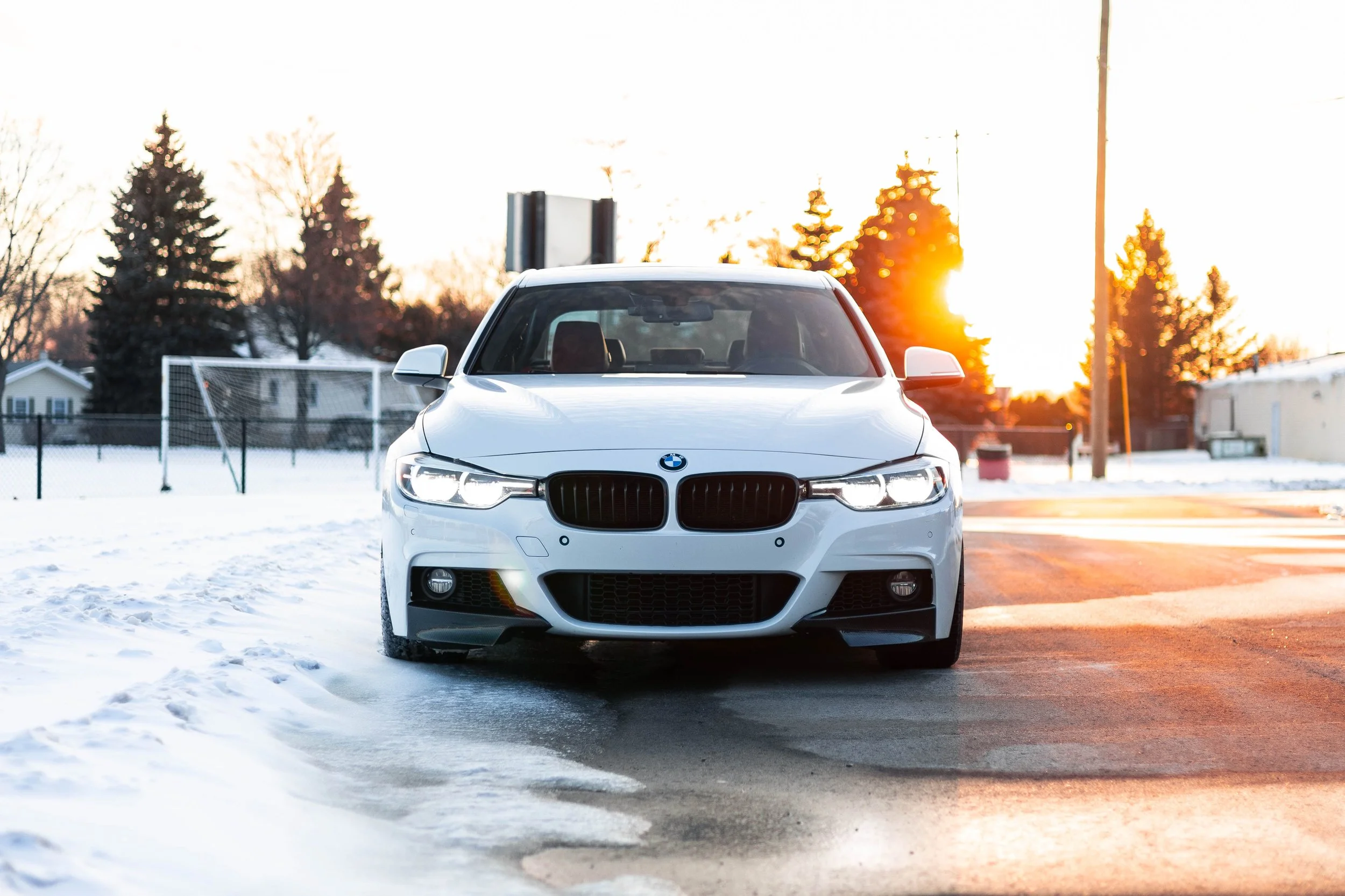
The F30 340i has been an extremely popular choice for enthusiasts, and for good reason. They offer a reliable and highly capable engine in a practical everyday car. They’ve also reached that sweet spot in the market where they are old enough for ordinary people like myself to afford, while being new enough that you can easily find pristine, low mileage examples.
If you follow my channel, you know that this isn’t just any 340i, this is my personal car that I’ve had for over two years. Today, I’ll explain what it’s been like to live with this car, I’ll discuss ownership costs, maintenance, as well as some modifications I’d recommend.
WHAT IS IT?

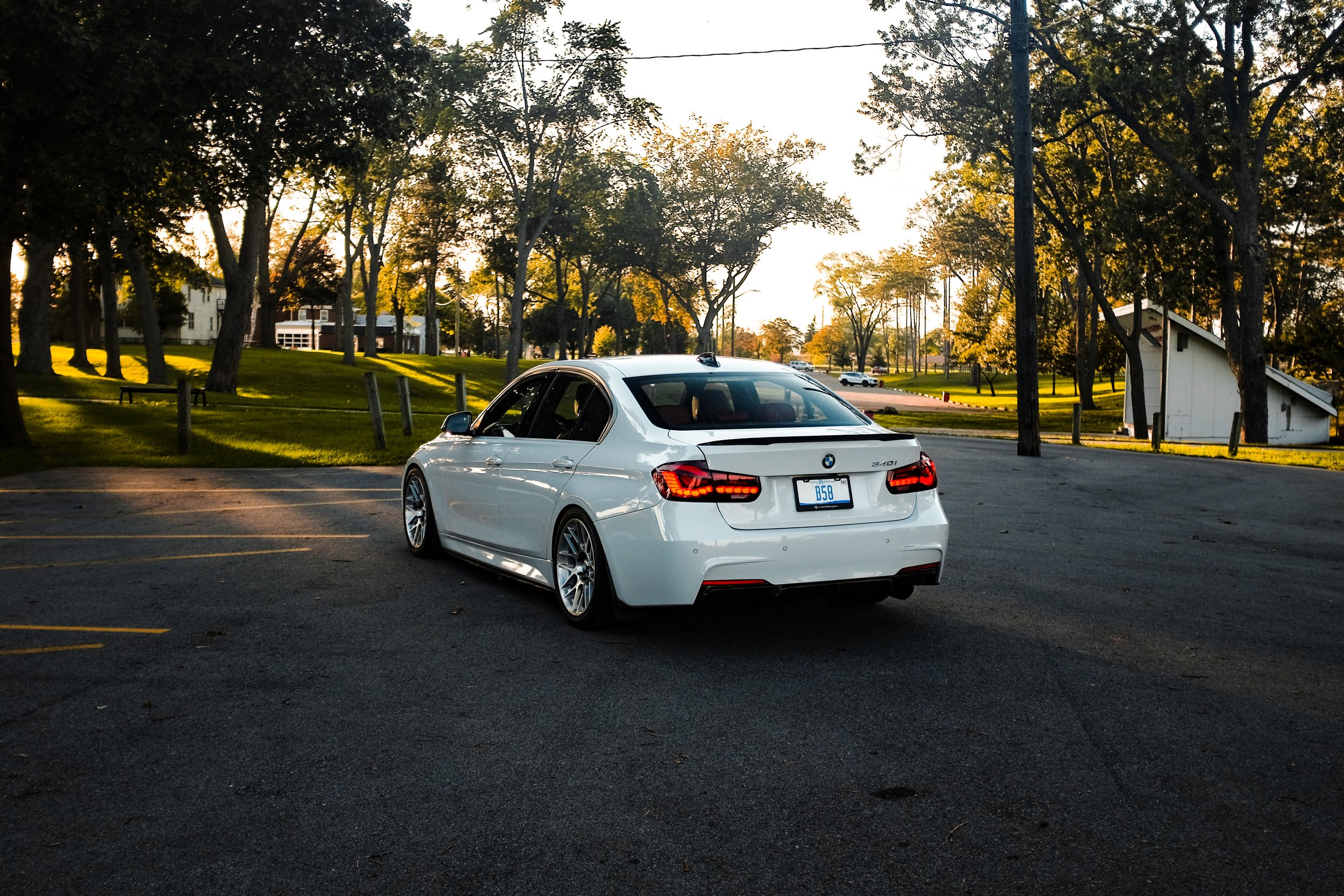
The F30 was the sixth generation BMW 3 series and the 340i was the top model offered in the final years of production. Of all the engines that were offered for the F30, the B58 found in the 340i is the one to get. The B58 is a 3 liter turbocharged inline 6. In this application it produced 320 horsepower and 330 foot pounds of torque out of the box, but will easily make more with a few simple mods. More on that later in the blog.
WHAT I LOVE

My subjective opinion is that the F30 is the most aggressive looking 3 series. It’s hard to believe that this design is 10 years old. The 340i is just as practical as it is a capable performance car. You can tear up some backroads, or you pack your luggage and drive it across the country getting 30+ MPG. Or, you can go to Lowes and load it up with home improvement supplies. It’s a car that can do it all with few compromises. With a HUGE aftermarket for parts and a massive online community, it’s easy to see why these cars are in such high demand.
WHAT I HATE

The numb steering feel is a step backwards from the previous generation 3 Series.
The driving experience, at least in stock form feels soft, especially having owned an E90 before this. The F30 was the first 3 Series to have electric steering which feels numb and disconnected and took some time to get used to. BMW used to pride themselves on being the Ultimate Driving Machine, but on the road, the F30 lacks some of the character of BMW’s that came before it.
Even though the 340i was the top F30 model, you’ll still find some examples that are sparsely optioned. This car for example was sort of a stripper model. Luckily these cars are modular and many options can be retrofitted easily. Just keep in mind that buying a 340i doesn’t guarantee that you’re getting a well optioned car, despite the price tag.
Auto vs Manual, RWD vs AWD

The 340i was available in rear wheel drive and all wheel drive, and with either a 6 speed manual or 8 speed automatic transmission. For my car, I went with a rear wheel drive automatic and I don’t regret it. There was a time when manual transmissions were the default option for enthusiasts. But recently automatics have gotten really, REALLY good. In the case of this 8 speed auto, it’s slightly quicker while achieving better MPG than its 6 speed counterpart.
Honestly though, you can’t go wrong either way, and considering the small performance difference between the two, it really comes down to personal preference. My only suggestion is if you’re a die hard manual fan, at least give this 8 speed a try, I think you’ll be impressed.

Choosing between rear wheel drive and all wheel drive, or X-Drive as BMW calls it, is a question of how often you’ll drive in deep snow. Even though I live in a place that gets heavy snowfall, I live near main roads that get plowed quickly where I don’t need all wheel drive to get where I’m going. To put it simply, rear wheel drive is more fun and less maintenance.
COST OF OWNERSHIP
If you’re considering buying a 340i, here are a few ownership costs to factor in.
Full coverage insurance: $167/mo
Michigan Registration: $231/yr
Fuel: approx. $5/gal for premium. I average 27 mpg with mostly highway driving. I’ve observed 19 mpg for spirited driving and 34+ mpg on road trips
ROUTINE MAINTENANCE
I made a list of some of the most common maintenance items for this car. These prices are based on using OE parts and assuming you will do the work yourself.
Oil change: $80 (personally I change my oil twice per year).
Cabin air filter: $21
Engine air filter: $27
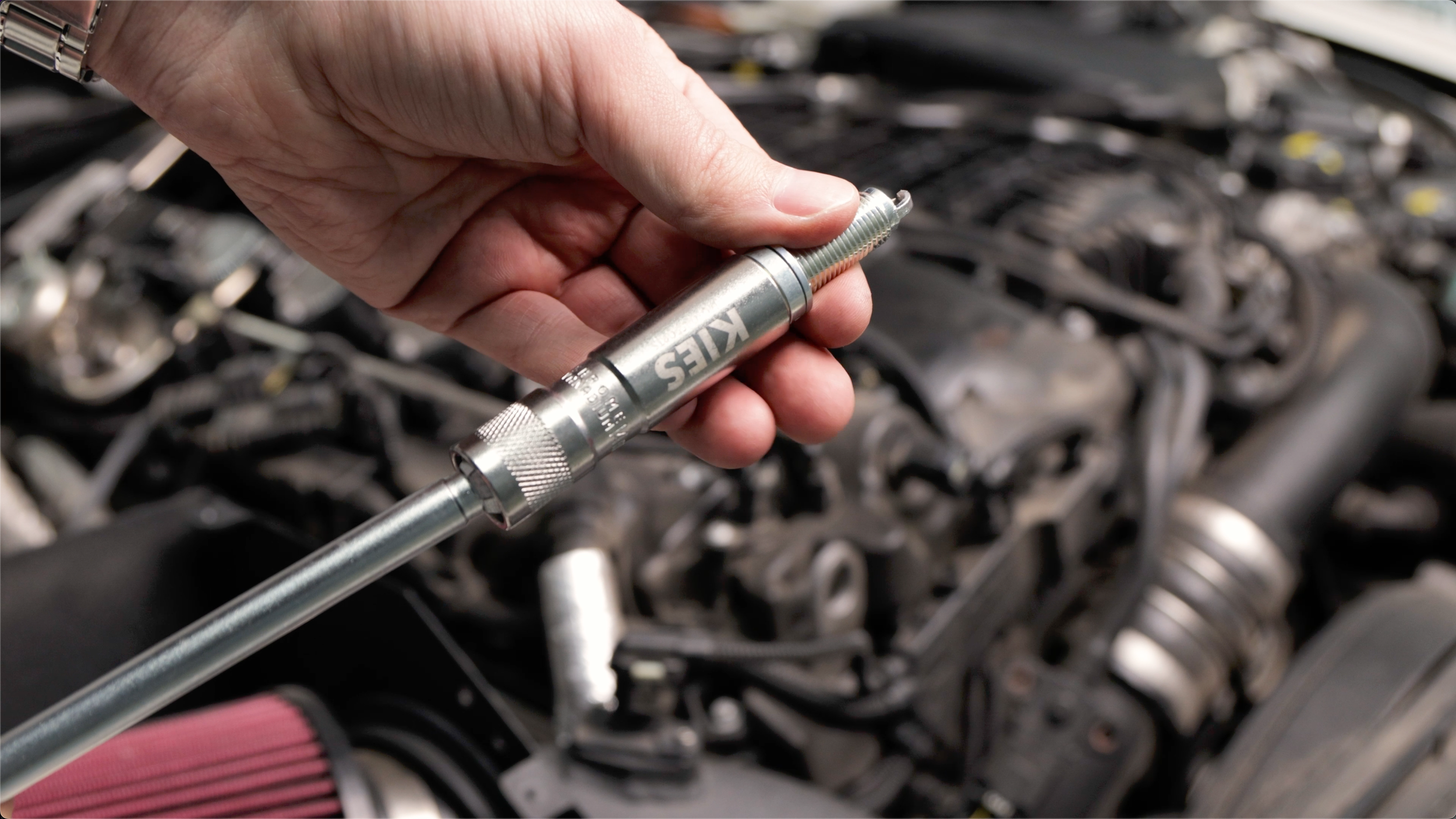
Spark plugs: $90 (set of 6)
Brake pads & wear sensors: $250 (front & rear)
Genuine BMW battery: $270
Regular maintenance on this car is not difficult, and a novice DIY-er should be able to do most of the things I just mentioned with a basic tool set. Being an inline six, there is plenty of room under the hood to work.
The timing chain on this car is located at the rear of the engine, and while B58’s are not known to have timing chain issues, servicing it will be difficult if the time ever comes. That’s why it’s crucial to keep up with regular oil changes.
MODIFICATIONS

F30’s have a lot of support for mods, both aftermarket and Genuine BMW, and some parts are even interchangeable with the F80 M3. Being that the engine is shared with the Toyota Supra, there is a huge selection of performance upgrades available. Huge shoutout to Kiesmotorsports.com for sponsoring this entire build.
My complete list of mods will be down below in this post, but here are the top three I’d recommend:
Suspension - I’m running Bilstein B16 coilovers which made the most dramatic improvement to this car out of all of the modifications I’ve done. The stock suspension on the F30, especially non-M sport models is on the soft side and changing them to aftermarket coilovers made a massive improvement to the car’s handling. Even a simple spring and shock upgrade like Bilstein’s B14 kit will be a huge improvement over stock.
Tune - One of the first things we did when I bought this car was a simple Bootmod3 stage 1 tune. Just with the tune alone we added 45 horsepower and 55 foot pounds of torque, increasing the power and torque to 365hp and 385 lb-ft respectively. It’s cool to be able to get to that power level without even opening the hood and while retaining stock reliability.
Like I said, this was one of the first modifications I did two years ago and I haven’t had any issues. The car has more than enough power for me, and I haven’t felt the need to get a bigger turbo or other horsepower mods that could potentially hurt reliability. One benefit of keeping the stock turbo is it spools quickly with very little lag, making it fun to drive around town.
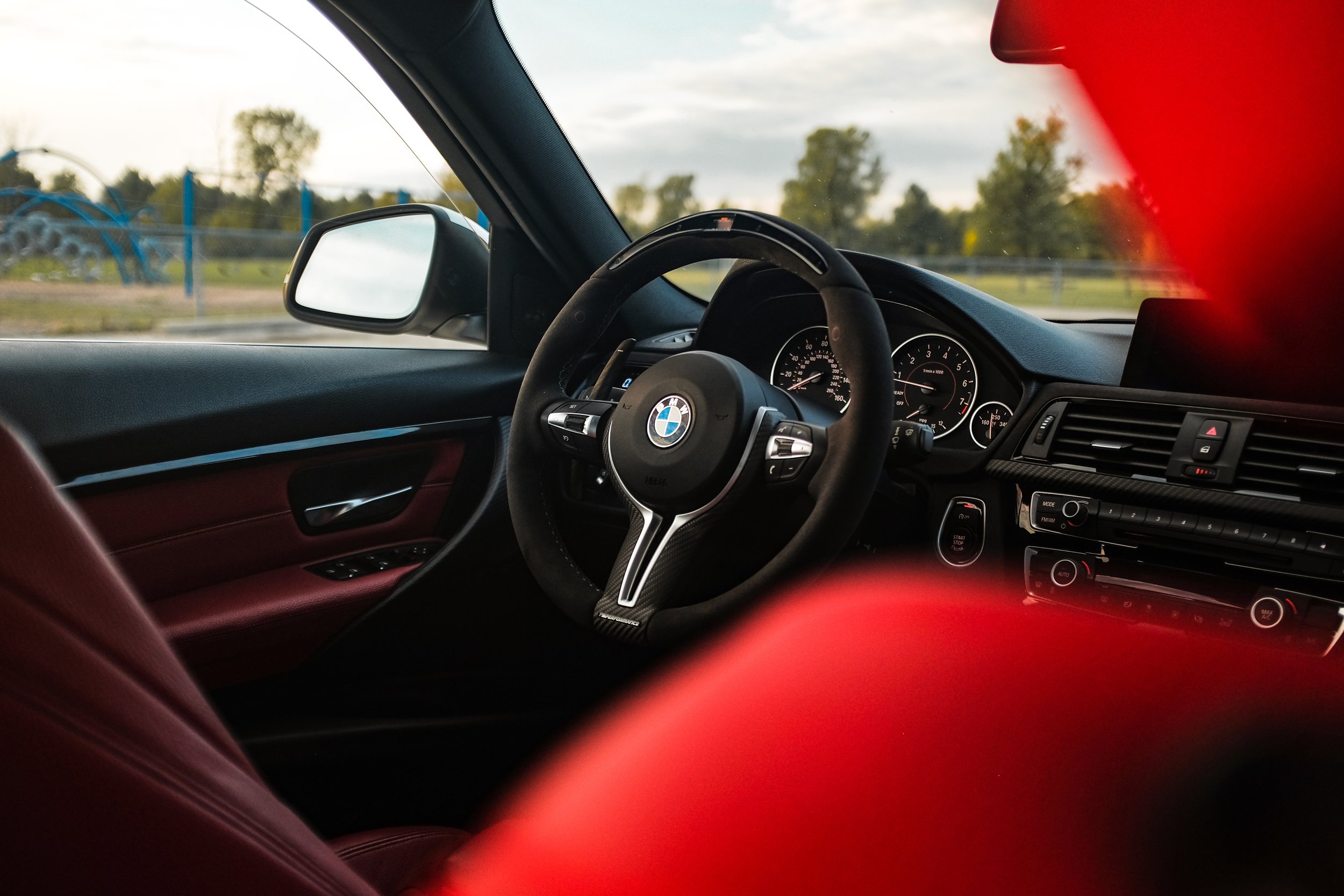
M Performance Interior - BMW actually offers some pretty cool interior upgrades for this car like dry carbon fiber and alcantara trim pieces. They completely transform the look and feel of the interior, and while they’re kind of pricey, you get what you pay for. Everything is super high quality and being Genuine BMW parts, everything fits like stock.
COMMON PROBLEMS

It’s common for B58’s to lose coolant over time despite not having visible leaks.
I’m happy to report that in 2 years and around 20,000 miles of ownership, this car has not had any major problems. In fact, with 56,000 miles on the car currently, I haven’t got so much as a check engine light. Knock on plastic. Here are a few common B58 issues.
Unexplained coolant loss
Many B58 owners have noticed their main expansion tank slowly losing coolant over time despite not having any obvious leaks. First, check the cap on the expansion tank. if you see dried coolant on the threads, it’s possible that coolant is evaporating from an ill fitting cap.You can buy a replacement cap for around $15. If you replace the cap but are still loosing coolant, you’ll want to have the cooling system pressure tested for leaks. In any case, all 340i owners should check their coolant levels periodically.
Some higher mileage B58 owners have reported leaking water pumps, leaking oil filter housings, leaks from the water to air intercooler and VANOS issues. Typical BMW stuff.
While the B58 has a reputation for being a reliable engine over all with no widespread catastrophic issues, I suspect that the extensive use of plastic parts will be problematic as these cars age. Especially if previous generation BMW’s are any indicator of that.
Not specific to the B58, but F30’s have a common issue where the retaining clips that hold the parking brake cables to the bottom of the car will break off allowing the cables to rub on the driveshaft and make a horrible noise. I have a video on how to replace it. It’s an $8 part but is fairly labor-intensive to replace. If you are physically able to, you’ll save a lot of money if you can DIY this one.

The used car market has been all over the place, but lately I’ve been seeing 340i’s for sale from $25-30,000 in my area. If you can find one under $30k, it’s a solid car for the price, especially considering that they cost upwards of $55,000 when they were brand new just a few years ago. You’re getting the performance and mod support of the new supra, with the everyday practicality and comfort of a 3 series.
Complete Mod List:
Wheels:
Apex ARC-8R w/ brushed clear finish
Front: 18x8.5 ET35 buy here
Rear: 18x9.5 ET45 buy here
Tires:
Michelin Pilot Sport All-Season 4
Front: 245/40/R18
Rear: 275/35/R18
Suspension:
Bilstein B16 coilovers
Wiechers Sport front strut brace buy here
Brakes:
F80 M3 calipers buy here
Stoptech slotted rotors buy here
EBC Red Stuff pads buy here
Goodridge steel braided brake lines buy here
Engine:
Bootmod3 Stage 1 tune buy here
MST intake buy here
AWE Tuning exhaust buy here
Interior:
M Performance Race Display steering wheel buy here
M Performance dry carbon trim kit buy here
M Performance dry carbon gear selector and trim buy here
M Performance dry carbon e-brake buy here
Kies dry carbon paddle shifters buy here
P3 vent gauge buy here
Apple CarPlay MMI buy here
Exterior:
Carbon fiber side skirt extensions buy here
Carbon fiber rear diffuser buy here
Carbon fiber front lip buy here

BMW B58 Spark Plug Replacement DIY Guide | 240i, 340i, 440i & More
Looking to change your B58 spark plugs? Find the correct mileage intervals, ignition coil advice, and expert tips for maintaining your B58-powered BMW at home.
Read More
How to Replace & Register a BMW 3 Series & 4 Series Battery (F30, F32 Guide)
Is your BMW 3 Series struggling to start? In this blog, I cover the signs of an aging battery, show you how to replace your old one, and walk you through the battery coding process.
Read More
How to Change Your Oil | BMW 340i, or Any B58 Powered Car
Regular oil changes are the most crucial part of your car’s maintenance routine. By learning how to do them yourself, you’ll save a ton of money compared to going to the dealership. In this DIY, I’ll show you how to perform an oil change on any B58 powered vehicle, be it a BMW 340i or Toyota Supra.
Disclaimer - Work at your own risk. While oil changes are fundamentally simple, mistakes can cause permanent damage to your engine. Always work within your skill level.

Oil Viscosity 0W-20, 0W-30 (alternatively 5W-20, 5W-30, 0W-40 and 5W-40 can be used)
When it comes to choosing the right oil viscosity, I go with BMW’s recommendation of 0W-20. After all, it’s what’s printed under the hood. When you go on forums trying to research oil, you’ll often come away more confused than when you started. You’ll read post after post about why one viscosity is better than another, followed up with a completely contradictory opinion. Even though 0W-20 is a rather thin oil, it’s the viscosity selected by BMW engineers to lubricate within the tight mechanical tolerances of the B58, and if that’s what they say to use, I’ll trust them.
Supplies*
Requires 6.5 liters of oil. You’ll need to purchase one 5L and two 1L bottles.
0W-20 oil 5 liter bottle (x1) https://geni.us/qU7XQWW
0W-20 oil 1 liter bottle (x2) https://geni.us/KNR3
Oil Filter https://geni.us/ioE9
Tools you will need*
Low profile floor jack https://amzn.to/3HM7EIN
Jack stands https://amzn.to/3HIBRZj
Jack stand pads https://amzn.to/3y9u3N5
Torque Wrench https://amzn.to/39JDmKj
Oil filter wrench https://amzn.to/3n7LVBJ
Sockets https://amzn.to/3zWBkAZ
Drain pan https://amzn.to/3b9VjSs
Funnel https://amzn.to/3y9gUnc
Pick tools https://amzn.to/3OeLC41
*affiliate links
Step 1 Warm Up Engine
Before performing an oil change, it’s important to warm up the engine to operating temperature, especially in cold weather. This will ensure that the old oil drains quickly and thoroughly.
Step 2 Jack Up Your Car
Step 3 Remove Acoustic Engine Cover

Step 4 Remove Oil Fill Cap

Step 5 Drain Old Oil

On the B58, the drain plug is on the bottom of the car in between the front wheels. It’s underneath a small door in the fabric liner under the car. Use a 17mm socket to remove the plug, and have your drain pan ready to catch the oil.
Step 6 Remove Oil Filter

The B58’s oil filter is on the intake side of the engine and is in a tight spot compared to other BMW inline 6’s. You’ll need a socket wrench with a swivel extension, with your oil filter socket on the end of it. Cover the surrounding area with shop rags, as oil will drip out of the oil filter upon removal.
Step 7 Install New Oil Filter

Before replacing the filter, take note of how it’s oriented in the filter cap as well as the placement of the rubber O rings. Your new oil filter includes a new O ring for the cap and a new crush washer for the drain plug. Lubricate all of the rubber O rings with fresh oil and install the filter into the cap. You will hear an audible click when it’s fully seated. Install the filter in the engine and use a torque wrench to torque it to 25nm.

Step 9 Re-Install Drain Plug

Replace the crush washer and reinstall the drain plug. Use a torque wrench to torque the 17mm plug to 25nm.
Step 10 Fill the Engine with Oil

The B58 requires 6.5 liters of oil. Measure carefully because there is no dipstick, and you will need to get the car to operating temperature again before you can take an electronic measurement.
Step 11 Check the Oil Level

The B58, like other modern BMW engines does not have an oil dipstick. Instead, you must use the car’s electronic measuring system. With your car on a level surface and the engine running (and at operating temperature) check the oil level. In your iDrive menu go to Settings > Vehicle Info > Oil Level and press “OK.” It takes about 2 minutes to get a reading. Your engine RPM’s will increase while it’s measuring. If the oil level is okay, then you’re done! Note that BMW’s oil level sensor can detect if the level is too low, but not if it’s over-filled. That’s why it is CRITICAL to measure carefully as you are filling the engine.
Applications
2015–2019 F30/F31/F34 340i
2016–2019 F32/F33/F36 440i
2016–2019 G11/G12 740i/Li
2016–2019 F20/F21 M140i
2016–2021 F22/F23 M240i
2017–2019 G30/G31 540i
2017–2019 G32 640i
2016-2019 F30/F31/F34 340i
2016-2019 F32/F33/F36 440i
2017–2019 G01 X3 M40i
2018–2019 G02 X4 M40i
2018-present G05 X5 xDrive40i/sDrive40i
2018-present G07 X7 xDrive40i
2018-present G29 Z4 M40i
2020-present G30/G31 540i
2020–present G32 640i
2020-present G06 X6 xDrive40i
2020-present G11/G12 740i
2019-present G14/G15/G16 840i
2020 Toyota Supra
2018-present G29 Z4 M40i
2019-present G20 M340i
2019-present G21 M340i
2020-present G01 X3 M40i
2019-present G02 X4 M40i
2020–present G22 M440i
2021-present Toyota Supra
2021-present G42 M240i
Things that Surprise First Time BMW Owners
Whether you’re planning to buy your first BMW, or you’ve just bought one, you’re going to notice that some things are different than other brands of cars you’ve owned in the past. I want to explain some of the things that were weird to me when I bought my first BMW so that you can get the most out of your car from day 1.
CLIMATE CONTROL DIAL
BMW’s climate control allows you to make the cabin the exact temperature you want with two knobs and a digital display. But right above it, you have this 1990’s General Motors hot and cold dial. You might be wondering what it’s for.
It turns out this dial controls the temperature of the dashboard vents only. In the winter time we obviously want the cabin temperature to be warm. But on longer drives, warm air blowing on our face can make us drowsy. So with this dial you could have your cabin temperature set to say 80 degrees and still have cold air on your face to help keep you alert.
If you go on any BMW forum, you’ll see a lot of people asking what this does or complaining that it’s a useless feature, but once you figure out how it works, it’s actually a thoughtful design.
GENUINE BMW PARTS
A lot of first time BMW owners think they need to treat their car like a Ferrari and only have it serviced at the dealership with Genuine BMW parts. But BMW, just like every other mainstream car brand doesn’t actually make most of the parts on their cars, they buy them from various suppliers and put their own branding on. And when you learn the difference between Genuine and OE you can save BIG on car repairs.
For those who are unfamiliar, OE or Original Equipment parts are the same parts that would be used when the car is assembled at the factory, but they have the BMW logos removed so they can be sold to third party vendors without licensing issues.
To clarify, we’re not talking about parts that are similar or just as good as the Genuine BMW parts. We’re talking about the same part, made on the same assembly line, just one has a BMW logo and one doesn’t. The ONLY difference is the OE version of the part costs less.
FCP Euro has a great write up on this which you can read here, but the point is, as long as you don’t care if your parts come in a BMW box, you can save a ton of money buying the identical OE version instead.
BATTERY
On most BMW’s the battery is in the trunk, which is actually a good place for it because it stays dry and clean. If you ever need to jump start your car or want to connect a battery tender, there are terminals under the hood for easy access.
I highly recommend picking up a battery tender if you don’t plan to drive your BMW for days or weeks at a time. Being winter in Michigan and because I have another car, Im not driving my 340i that much right now so I keep it plugged in if I know I won’t be driving for a few days. I use a CTEK MXS 5.0 which you can buy here.
One important thing to note if you ever need to replace you BMW battery, is that it needs to be registered to the car. The car keeps track of the age of the battery and adjusts how much it charges over time to optimize the batteries lifespan.
When replacing the battery, the registration process resets the battery statistics and lets the car know that a new battery has been installed. Back in the day this could only be done at the dealership, but now you can get an app like Carly on your phone and do it in your own driveway.
No Dipstick
Gasoline BMW’s from the mid 2000’s onward don’t have oil dipsticks. Instead the cars use sensors and a computer algorithm to measure the oil level and quality.
This is frustrating to first time BMW owners because you can’t simply open the hood and check the level like on any other car. You have to have to go through your iDrive menu and allow the computer to measure it for you. Though it’s accurate, there are two big issues.
First, being BMW electronics, the sensor that measures the oil level can fail, it happened recently on my friend Bryan’s M3 which is a relatively new car.
Second, the car needs to be at operating temperature to even get a level reading. That means if you just changed your oil and your second guessing whether you put in the right amount, you’re going to have to turn on your car and let it idle for 10 minutes before you can even check.
While I think it’s stupid that there’s no dipstick, and I’m not sticking up for BMW, it’s not the end of the world and shouldn’t keep you from buying one of these cars. Just use common sense. Change your oil every 5,000 miles with quality full synthetic oil, check your engine bay periodically for leaks, use the car’s computer measuring system and you’ll be fine.
TURN SIGNALS
On most cars, the turn signal stalk stays in the position you are signaling until you’ve made the turn. On BMW’s it returns to the neutral position even with the signal is still on. This is really trippy the first few times you use it.
You can do a half press and the signal will blink three times for changing lanes. Or a full press and it will stay on until the steering wheel cancels it.
A lot of times you’ll go to half press it to change lanes and end up full pressing it on accident. The steering wheel doesn’t cancel it because you aren’t turning so you boop it in the opposite direction and now it’s still blinking and still in the neutral position. It probably looks idiotic from outside the car and because of this, many of us have given up on turn signals all together.
NO SPARE TIRE
Many modern BMW’s are equipped with run-flat tires from the factory and therefor don’t include a spare tire. A lot of first time BMW owners think they have to keep using runflats and might be frustrated with the high cost of replacement, harsh ride, and lack of options.
But many enthusiasts like myself have ditched the run-flats and never looked back. Personally I keep a tire compressor and tire repair kit in my car at all times. For longer trips, you can buy a full size spare and keep it in your trunk. Since getting AAA, I’ve even had my car towed to my house a further distance than I would have been able to drive on run-flats anyway.
Remember, runflats don’t make you invincible. They simply allow you to drive up to 50 miles per hour for up to 50 miles on a flat. In my experience, the only people who truly love run-flat tires are the people who sell them.
FINAL ADVISE
After you buy your BMW, take some time to read the manual and get familiar with it. I can’t tell you how many questions I’ve received over the years where the answer was right here all along. You might even learn about some features that you didn’t know your car had.
This post contains affiliate links. If you click my custom link to purchase a product, I will earn a commission at no extra cost to you.

Fujifilm X100T
You Don't Need an Expensive Camera
For the past year, I’ve been shooting car photos almost exclusively with the Fujifilm X100T, and it’s quickly become my favorite camera that I’ve ever owned. I get a ton of questions on Instagram about affordable cameras for automotive photography, and maybe this will help you decide if a Fuji X100 series camera is for you.
WHAT IS IT?
The Fujifilm x100T is an APS-C rangefinder style camera with a built-in 23mm f/2 lens. The design resembles that of an old film camera, with manual controls for the shutter speed, aperture and exposure compensation. Released in 2014, the X100T is a few generations old now, but has all the features I need to take still photos for Instagram. I picked up this one last year used for around $500.
There’s something to be said about portability. The smaller a camera is, the more likely I am to take it with me everywhere. Of course my Canon EOS R is superior in almost every way, but it’s big and heavy, and expensive. I hate lugging it around outside my studio. Because I have my X100T with me at all times, I end up getting photos that I might not have taken otherwise.

Shutter speed and exposure compensation dials
THE BODY

Fujifilm X100T size compared to iPhone XR
This camera is TINY. It’s slightly smaller than my iPhone XR when laid flat, and a little over double the thickness. It easily fits in a coat pocket - maybe not your pants unless you’re wearing JNCO Jeans. A standout feature of the X100 line is the hybrid viewfinder. You can either look through the glass to compose your shot like an old rangefinder film camera, or with the press of a button, use the camera’s electronic viewfinder. Personally, having shot on mirrorless cameras the past few years, I’m using the EVF exclusively, but the optical viewfinder can give you that raw, nostalgic shooting experience.
In my opinion, these are the most beautiful cameras you can buy without being a doctor or a lawyer (Leica, we’re looking at you). There is something so intuitive about the manual dials that require no explanation to use. It seriously makes me wonder why other modern cameras have abandoned them. Being that the body is so small, it can be awkward to hold if you have big hands, but since it’s so light weight, I don’t find it uncomfortable. There are aftermarket grips you could buy to tailor the fit to your hand, but I prefer to keep the camera as small and simple as possible.
THE LENS

The X100T’s built-in 23mm f/2 lens
One of the quirks of this camera is it’s built-in 23mm f/2 lens that give you a 35mm full frame equivalent field of view (multiply the 23mm focal length by the approximate crop factor of 1.6). It’s a prime lens meaning it doesn’t zoom, and it’s a fixed lens, meaning you can’t change it out. You really have to love the 35mm field of view. Personally, 35mm is my favorite focal length for shooting cars. It’s wide enough to be able to be able to place the car in a background, yet not so wide that the car gets distorted. One important thing to note is because this is a crop sensor camera and the largest aperture is only f/2, you aren’t going to get the super shallow depth of field that you’d get with a full frame camera. That being said, you can still get some shallow depth of field, especially when taking close up shots of interior details. Still, this camera will force you to seek out interesting locations, rather than using background blur as a crutch for otherwise boring photos.

Because there’s not much background blur, finding the right location is everything
While some might see the built in prime lens as a con, to me, it’s what makes this camera interesting. As a Canon shooter, it meant that I could get a taste of Fujifilm cameras without needing to buy into a whole new lens system. I find this minimalist approach to be freeing in a way. Rather than contemplating, “which lens should I bring? Maybe I’ll bring them all just in case,” you’ve just go this one focal length that you have to make work for you. One notable flaw of the lens though, is that it’s rather soft when taking close up photos at f/2. Almost looking out of focus at times. The latest Fujifilm X100V addresses this with an all new lens, but that camera is nearly 3x the price, IF you can find one in stock. The softness isn’t a big issue for me though. With the right lighting, it can give your photos an etherial look, but one workaround is to use the “de-haze” tool in Adobe Lightroom.
If you’re shooting cars, I highly recommend picking up a circular polarizer with a 49mm filter thread. You’ll also need a filter adapter to prevent the front of the lens from crashing into the filter when the lens focuses. I’m pretty sure the previous owner superglued this one on.
AUTOFOCUS
Being an older camera the autofocus is notably slow, especially having used the latest and greatest from Sony and Canon. But since I’m mostly shooting stationary photos of my car, I don’t need blazing fast autofocus. Again, the latest X100V will give you a modern day autofocus system, but if you’re like me, just taking casual snapshots of your parked car, there’s no need to spend the extra thousand dollars on the new model.
You do have the ability to manually focus the lens, but its focus-by-wire, meaning there’s no physical connection between the focus ring and the glass elements inside the lens. Instead, turning the ring sends a signal to a focusing motor with an ever so slight delay. It’s usable, but a surprising decision since everything else about this camera is so tactile. My only guess is that focus-by-wire allowed for a more compact lens design.
THE SENSOR
The X100T features a X-Trans CMOS II sensor with on-sensor phase detection
The Fujifilm X100T has a 16 megapixel APS-C size sensor. Some may be wondering why I choose to shoot photos with this, when my EOS R has a full frame 30 megapixel sensor, and again, it just goes back to portability. Since I’m just a hobbiest shooting photos for my personal Instagram, even 16MP is overkill. And I can’t stress enough the size and weight difference between these two. Being an older sensor, the photos do get grainy above ISO 1000, and even with the f/2 aperture, the low light performance is where this camera really starts to show its age. Still, the colors look gorgeous straight out of camera, and aside from the retro hipster vibe, it’s easy to see why people love these cameras so much.
If you’re not familiar with Fujifilm cameras, they have something called “film simulations” which are kind of like Instagram filters, but actually good. You can choose to shoot .jpeg with these filters baked into the image, or simply shoot RAW and have the flexibility to edit the photos however you’d like. I really like the “Classic Chrome” simulation for automotive photography. Lately, I like to shoot Classic Chrome jpegs and make slight adjustments in Lightroom Mobile before posting to the Gram. Foregoing the RAW process entirely.
VIDEO
This camera does have the capability to shoot video BUT, it’s only 1080p, the video autofocus is only so-so, and there’s no image stabilization in either the body or the lens. It can work in a pinch, but this is a still photo camera first and foremost. Once again, the newest X100V is superior in the video department, but since I’m using my EOS R for video, I don’t necessarily need cutting edge video specs in this camera.
SHOULD YOU BUY ONE?
The X100T has been one of my favorite cameras I’ve ever owned. It gives you a better image and shooting experience than a phone, in a package that’s more portable than a big interchangeable lens setup. Some people might find the fixed focal length lens to be a turn off, but to me, it’s what makes this camera so special. There’s no contemplating which lens to bring, or even worse, lugging around a backpack full of them. Surprisingly, the fixed focal length actually feels less restrictive in that regard.
To me, there’s something rewarding about getting great photos with an affordable compact camera. A comment I see a lot while looking at pro photographers work on YouTube or Instagram is something like, “it must be easy to get amazing photos when you’ve got thousands of dollars worth of gear.” Shooting on a $500 camera is evidence that the gear isn’t everything.
(affiliate link)
SHOT ON FUJIFILM X100T
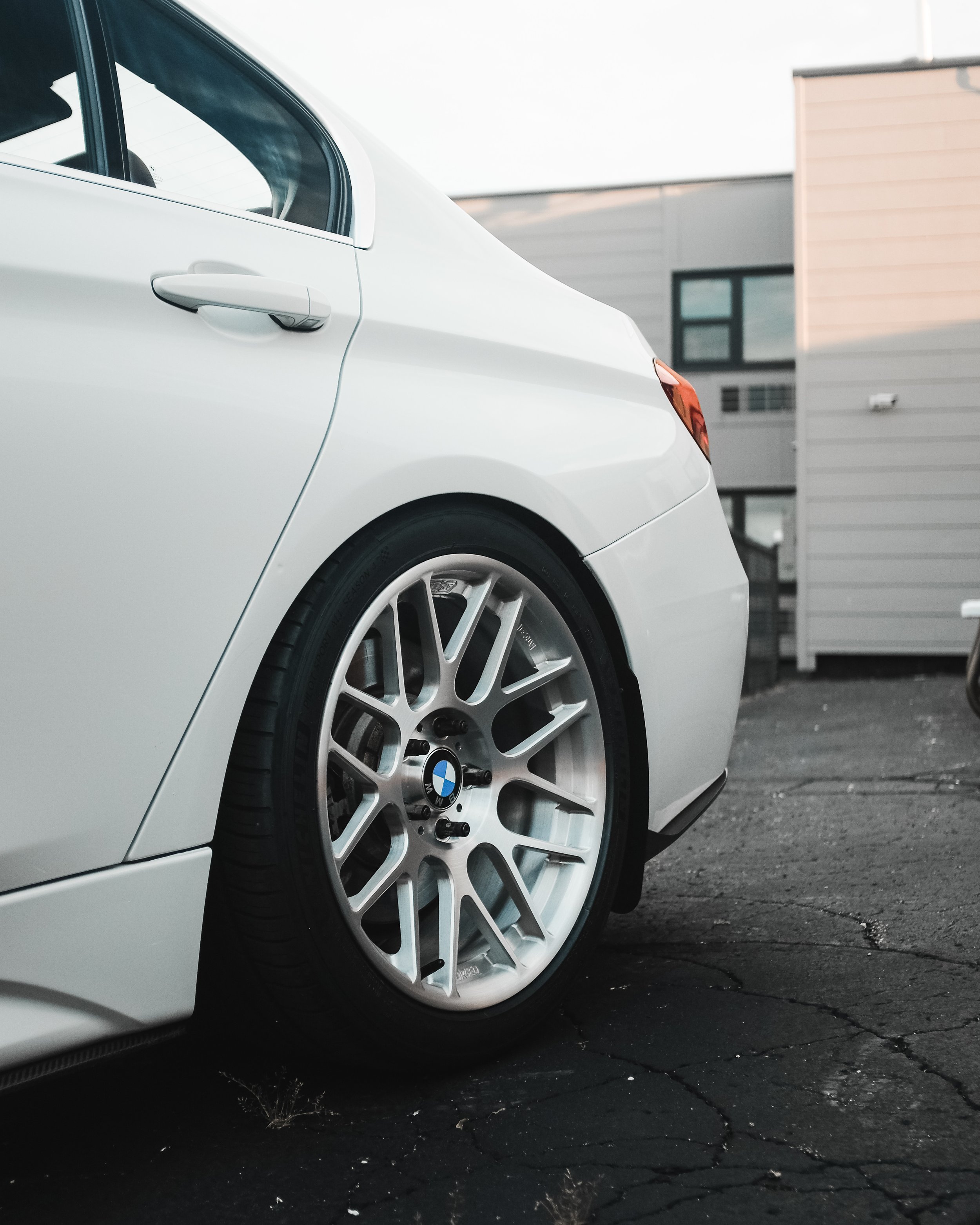
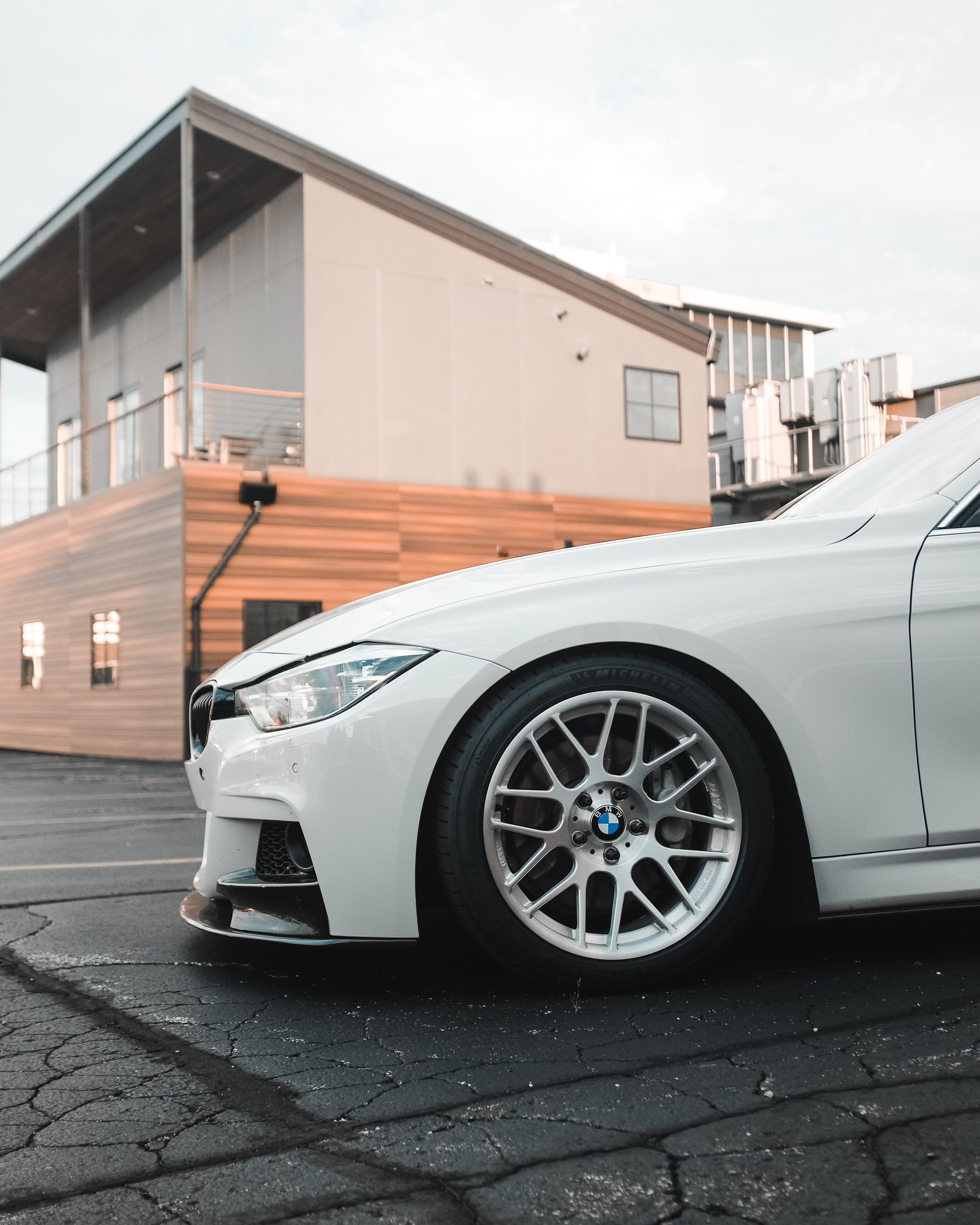
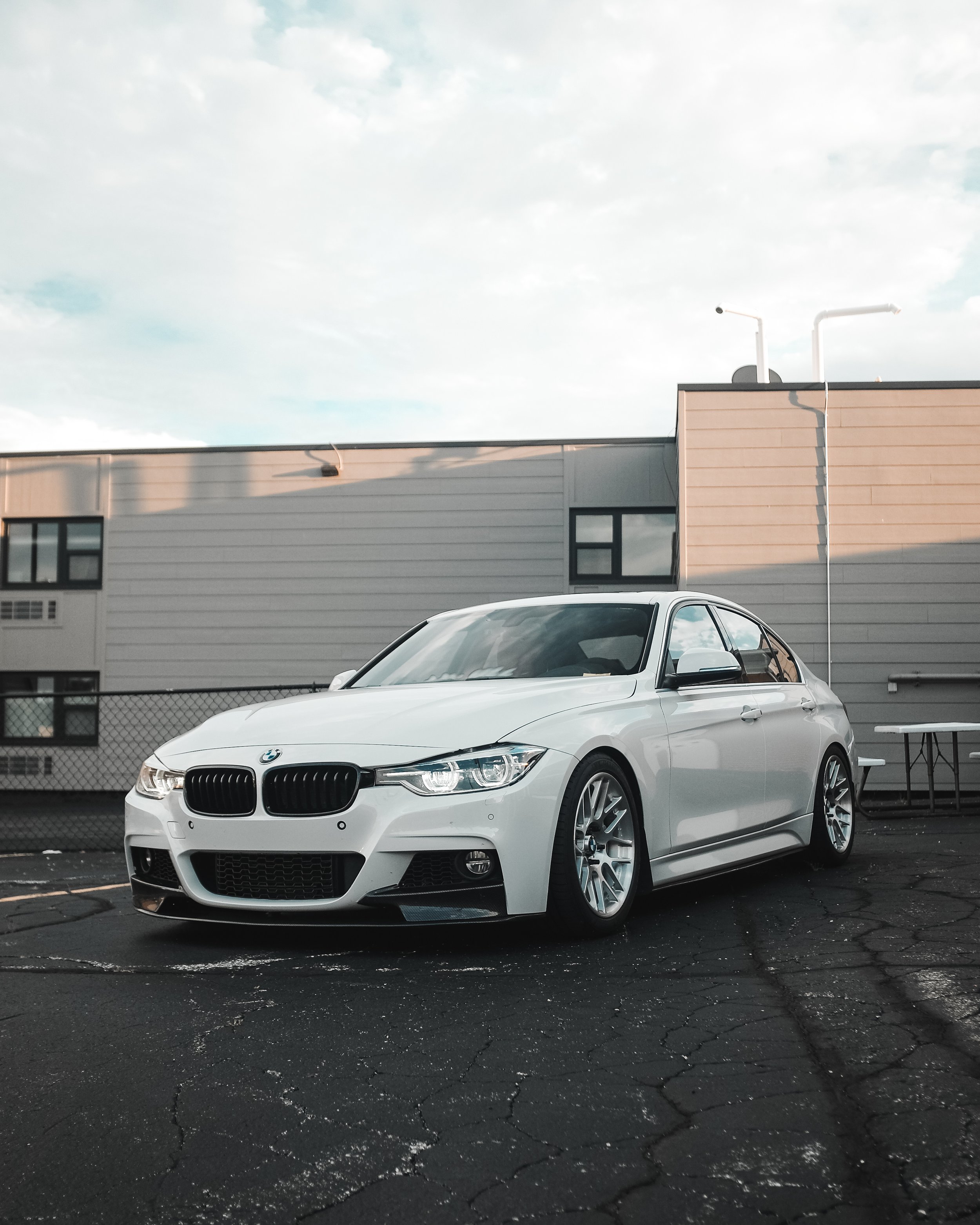
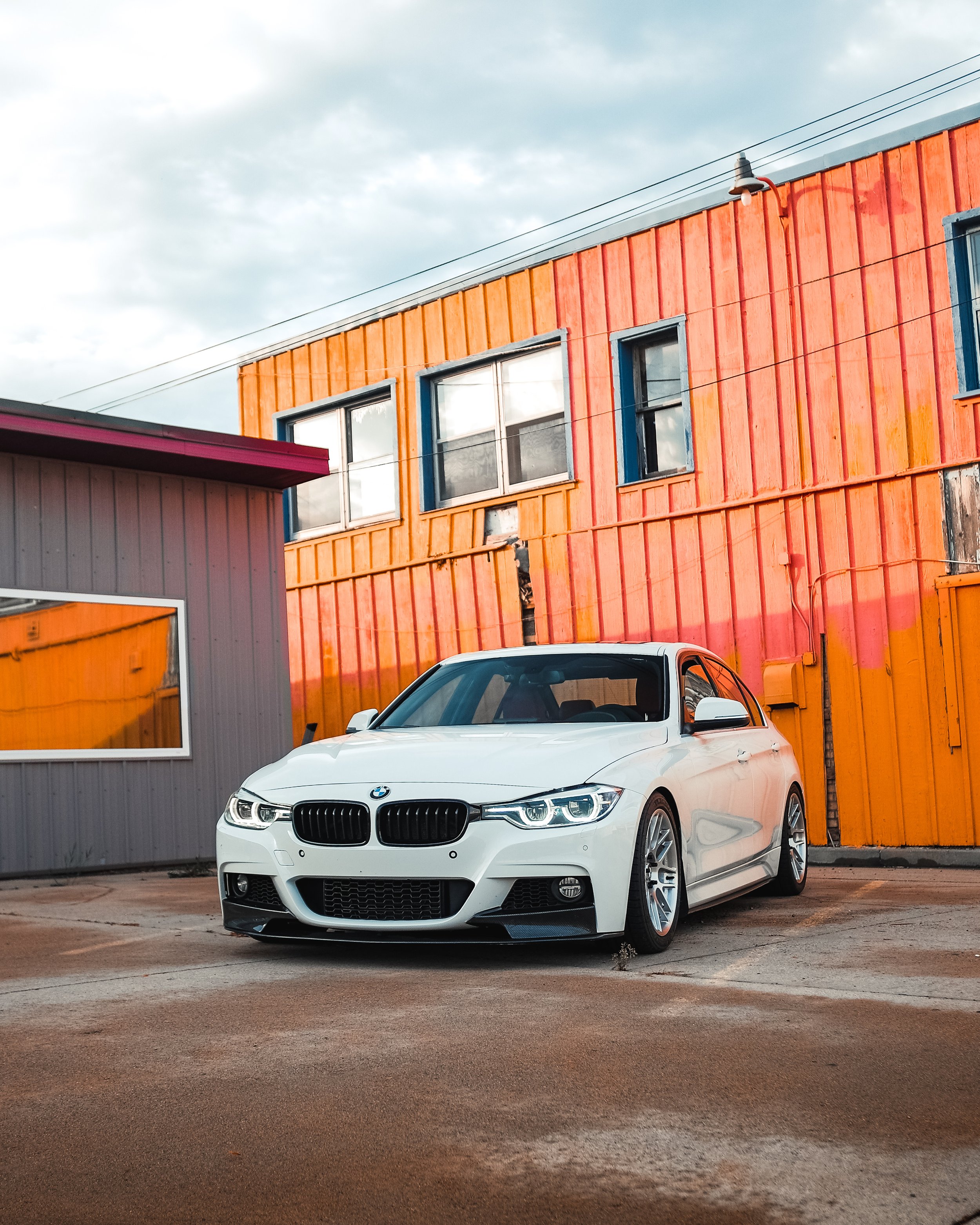
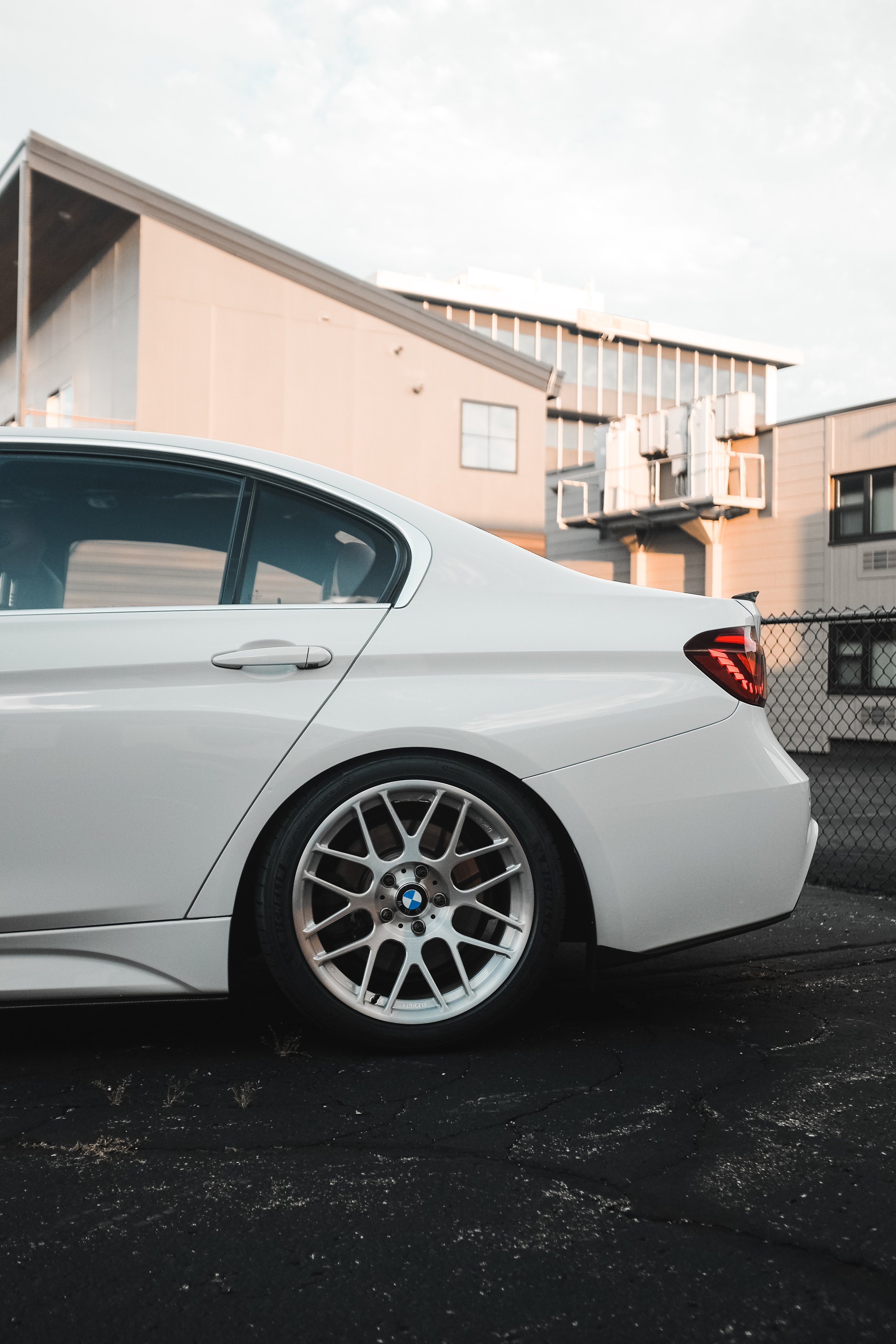
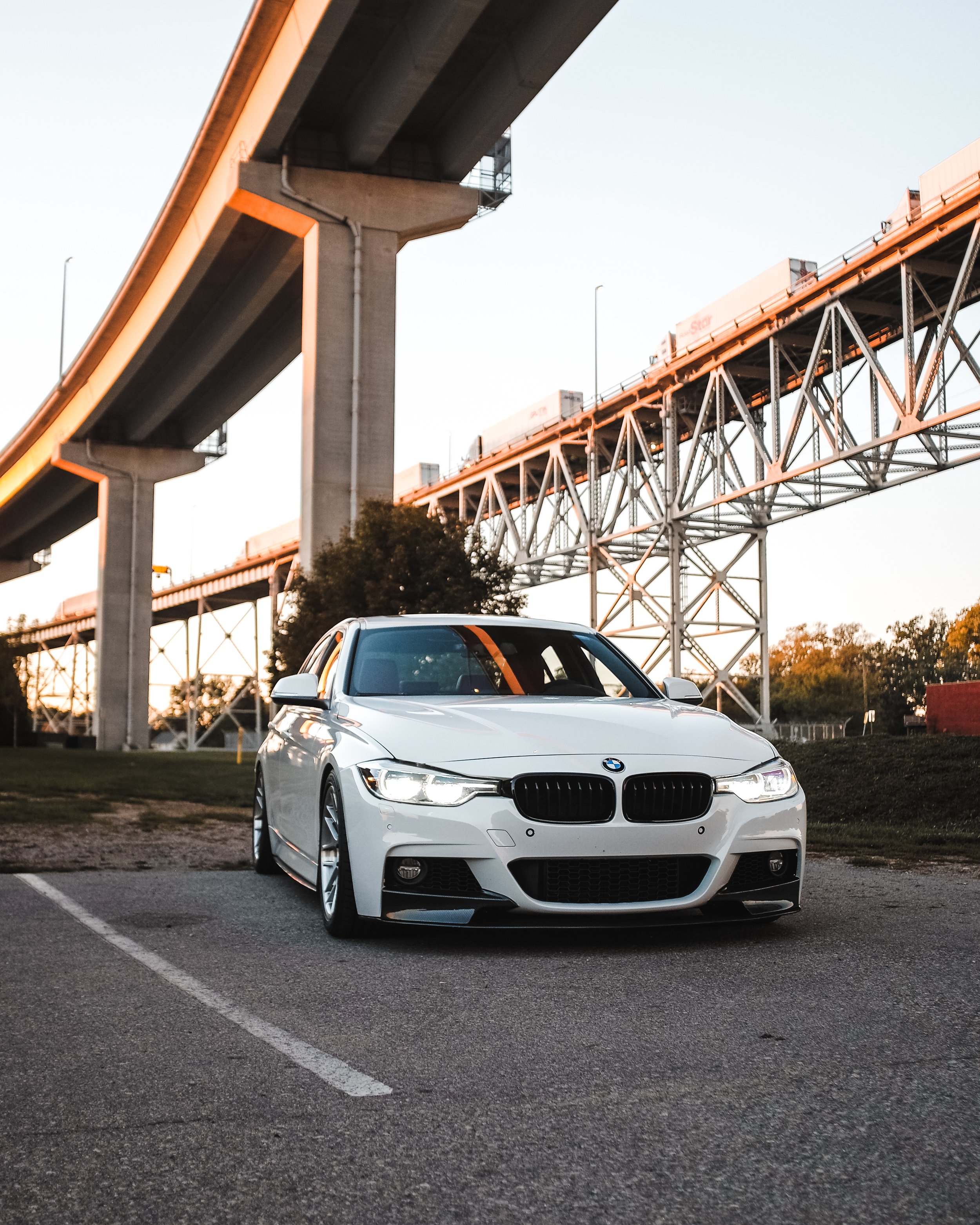
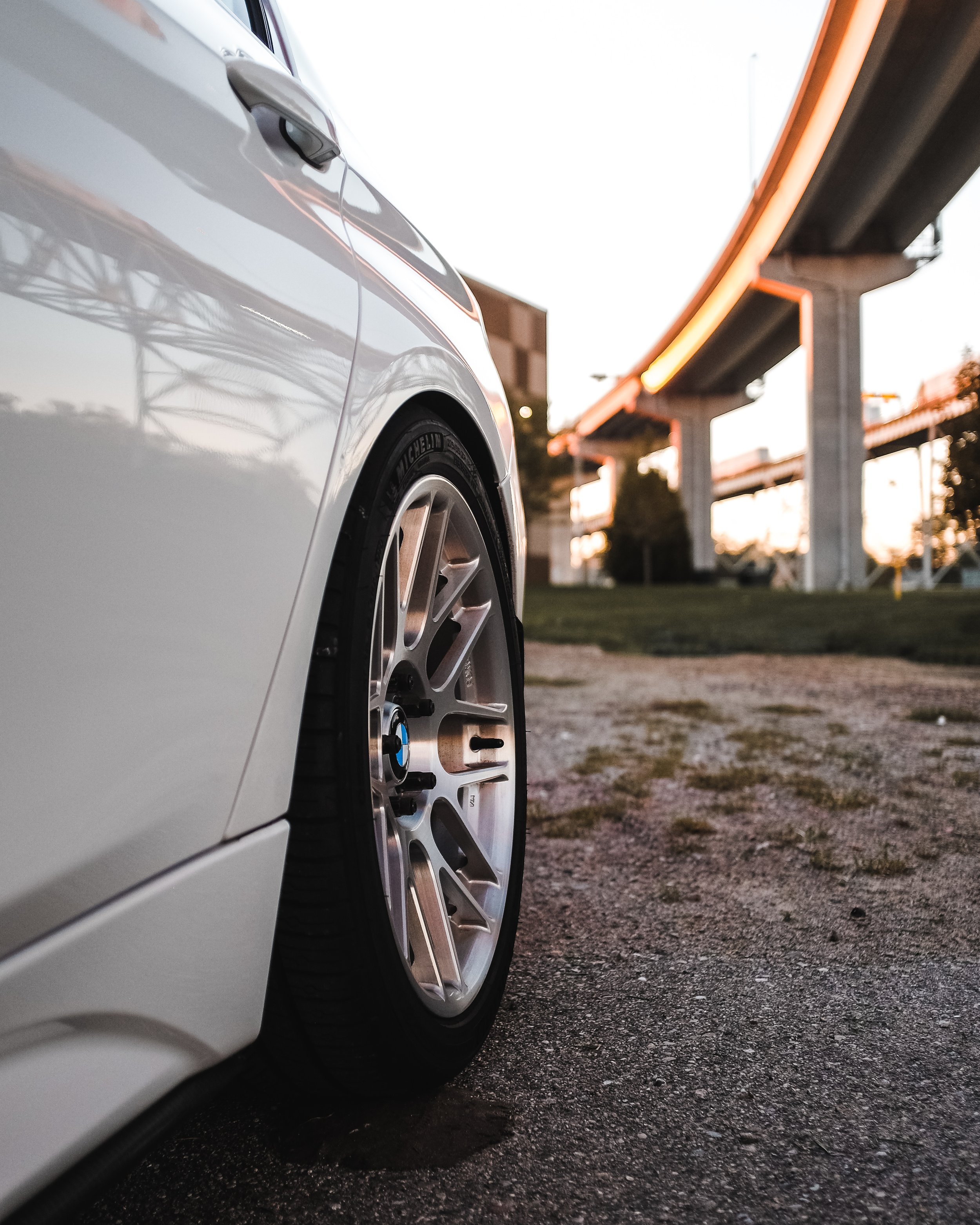
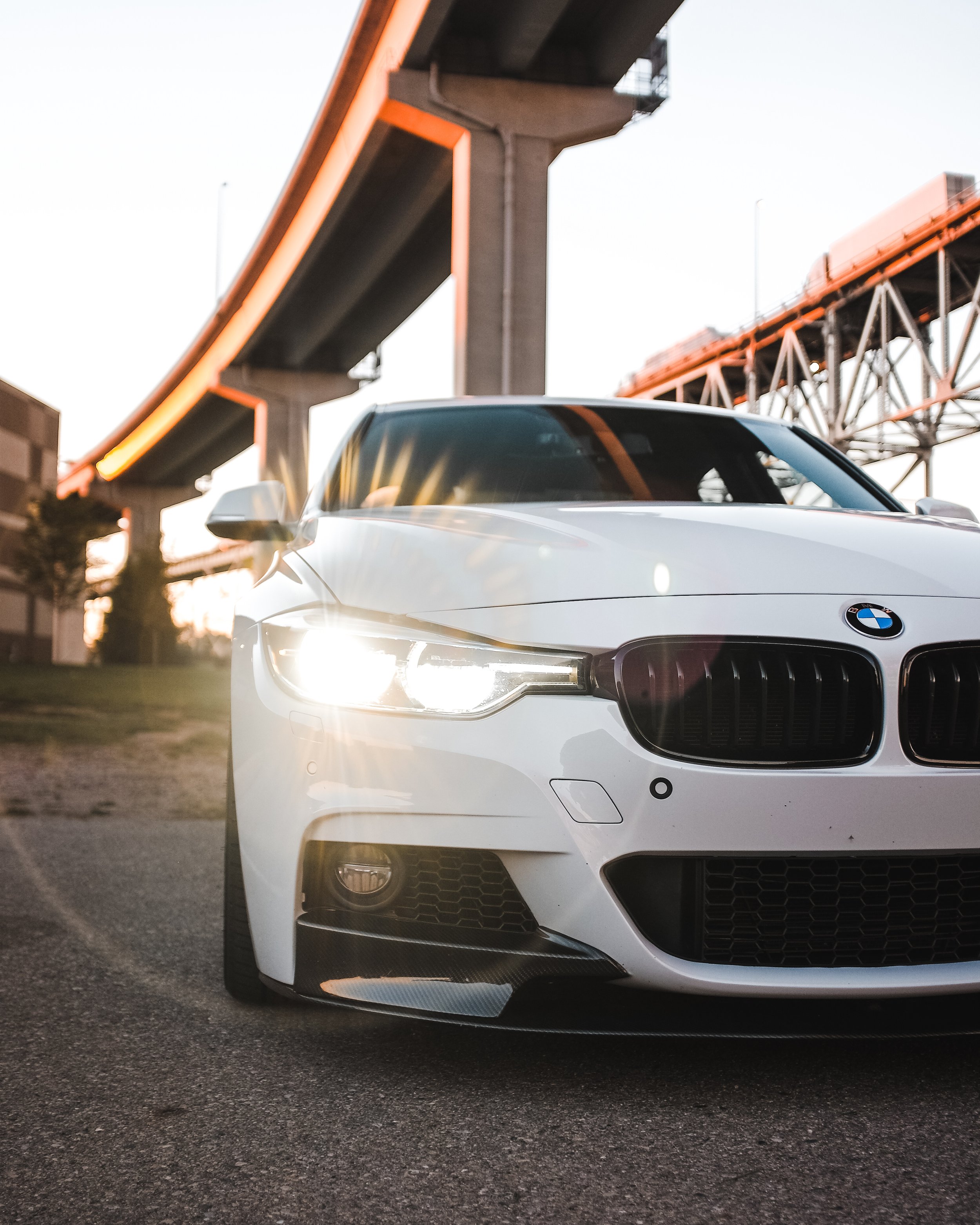
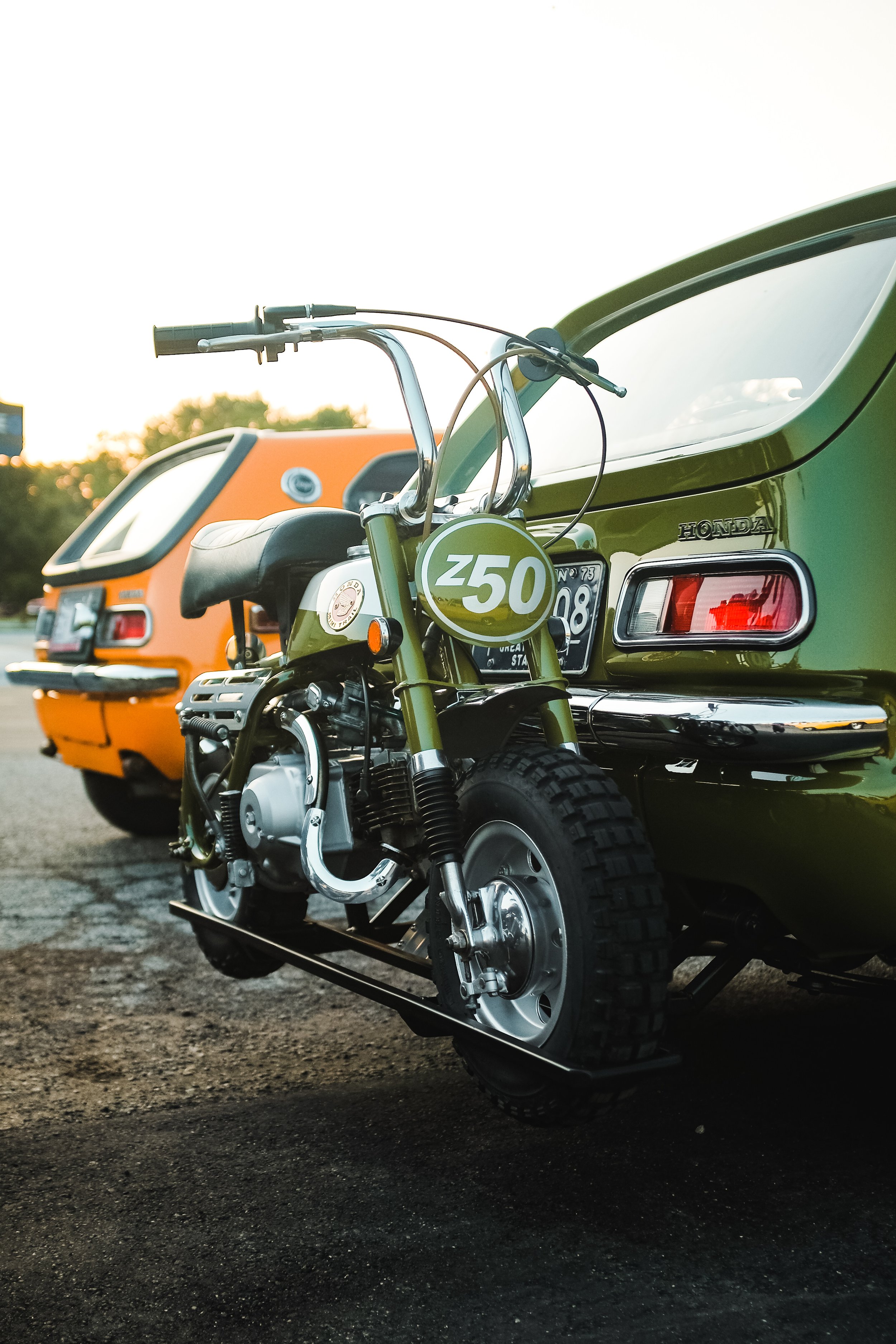
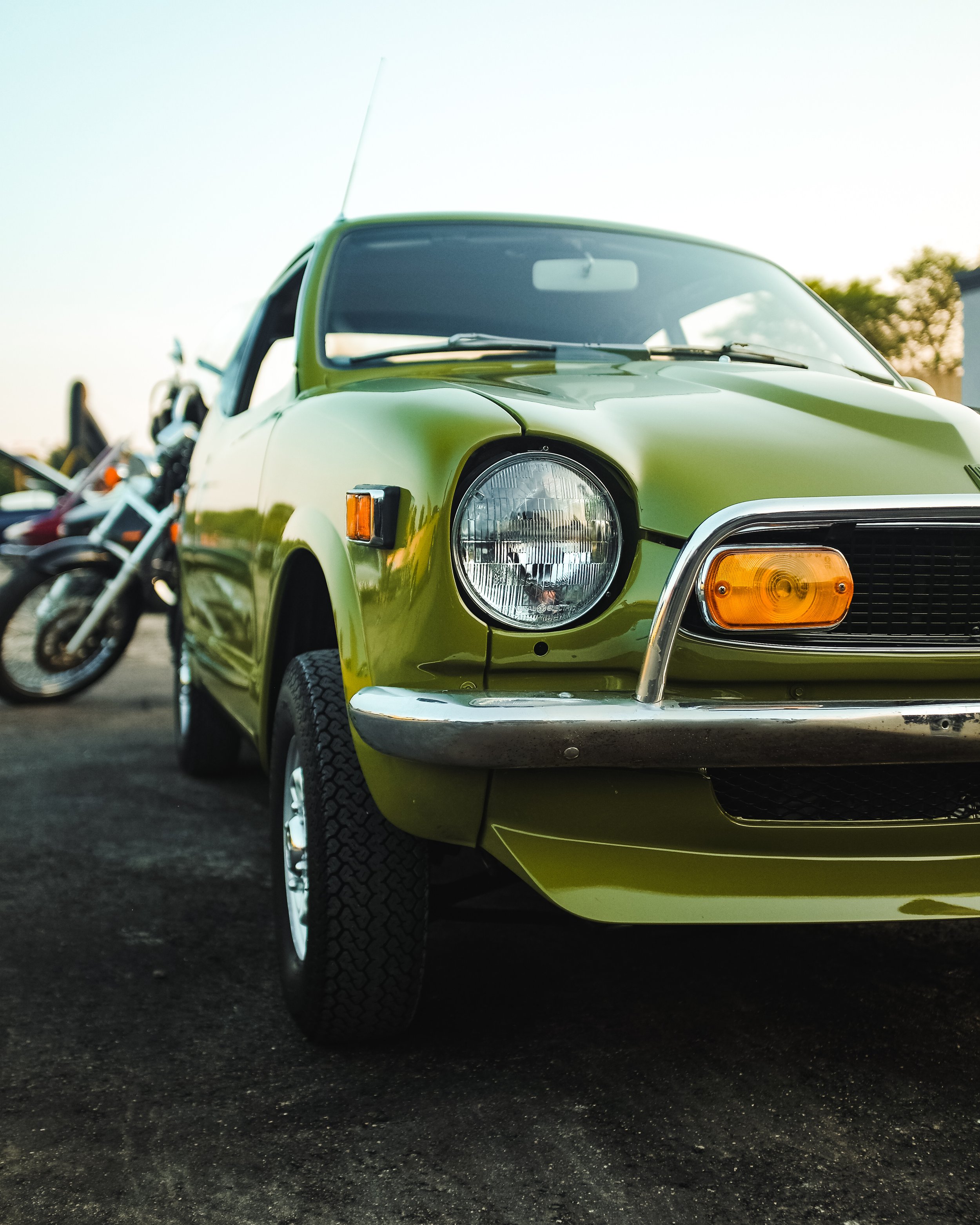
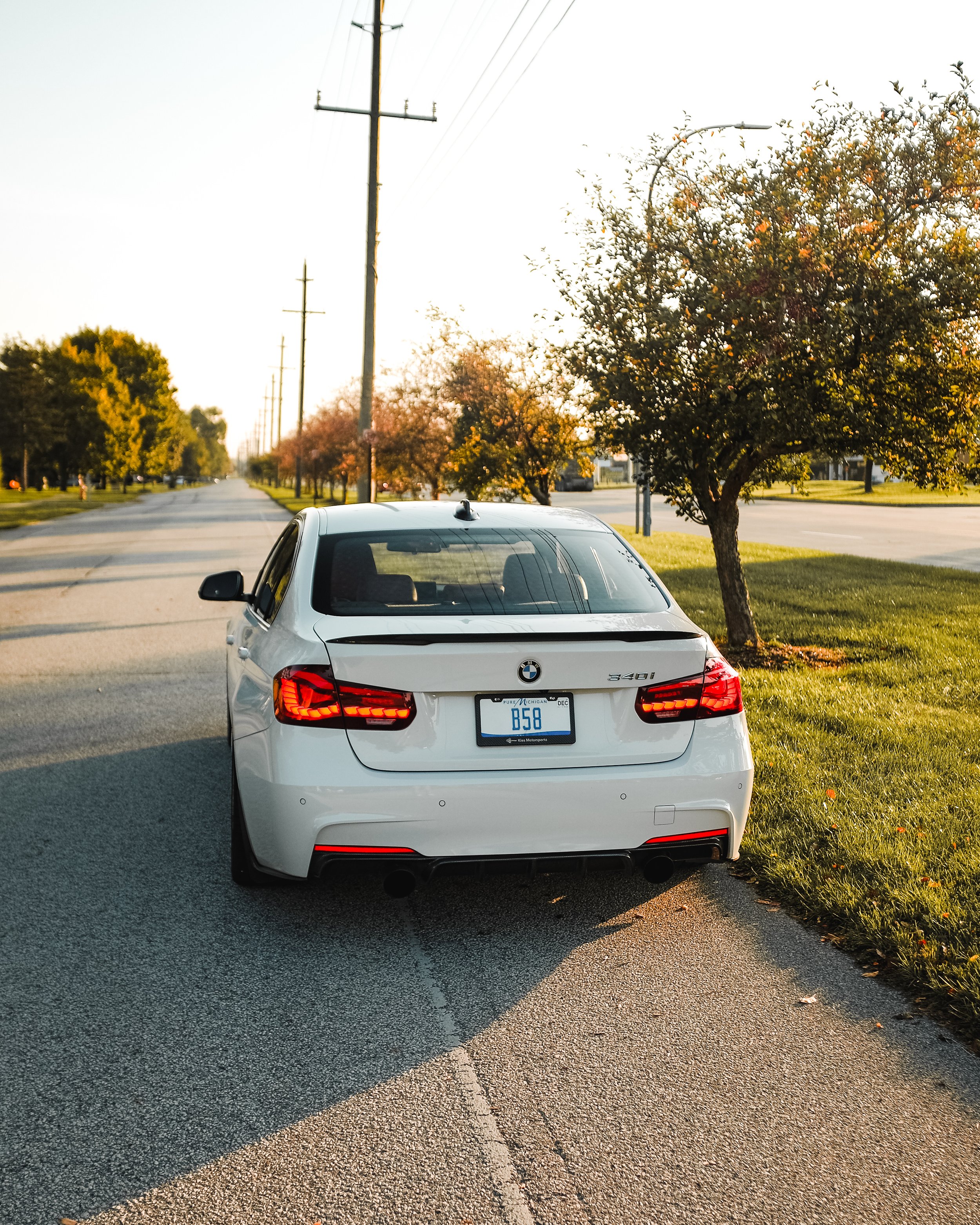
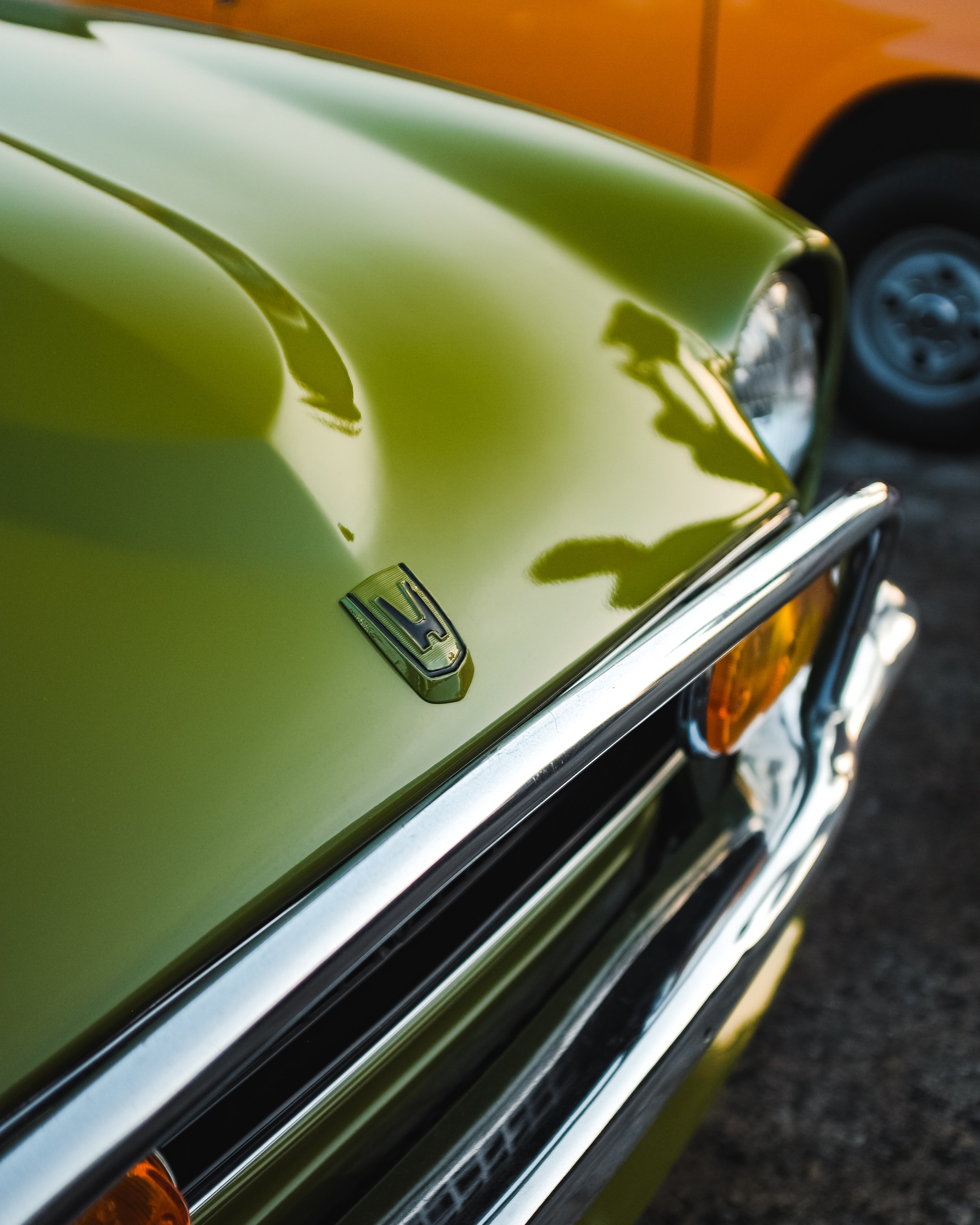
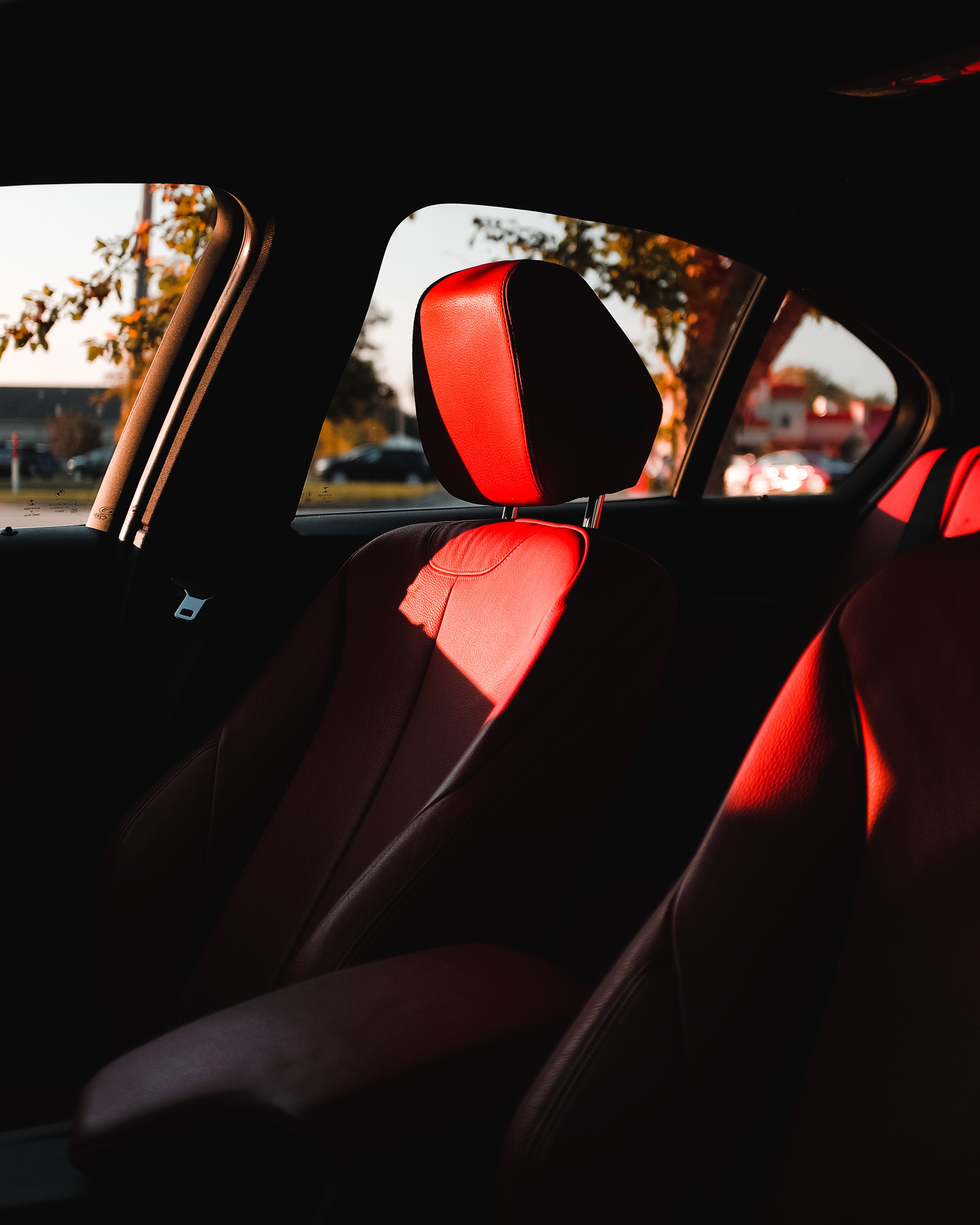
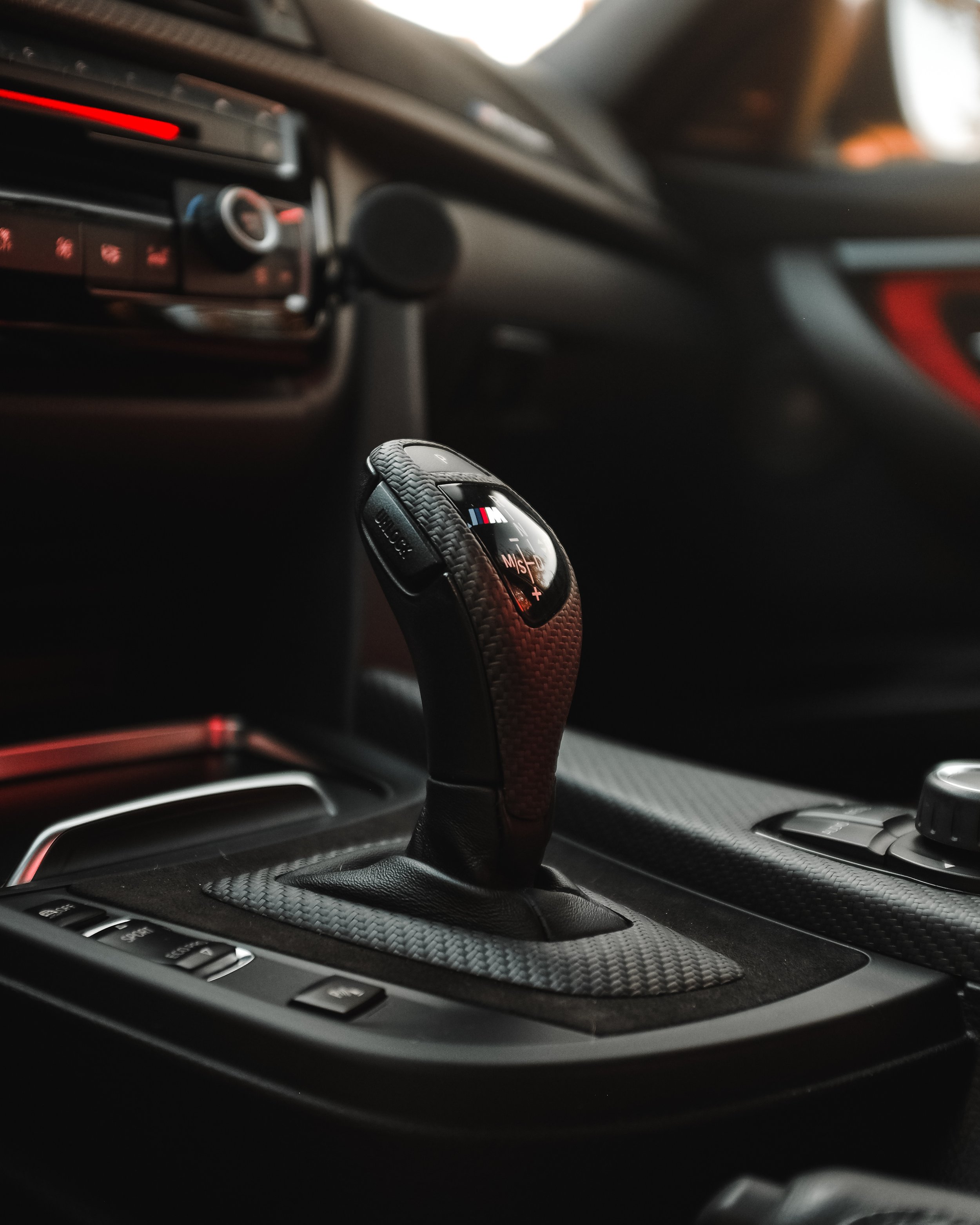
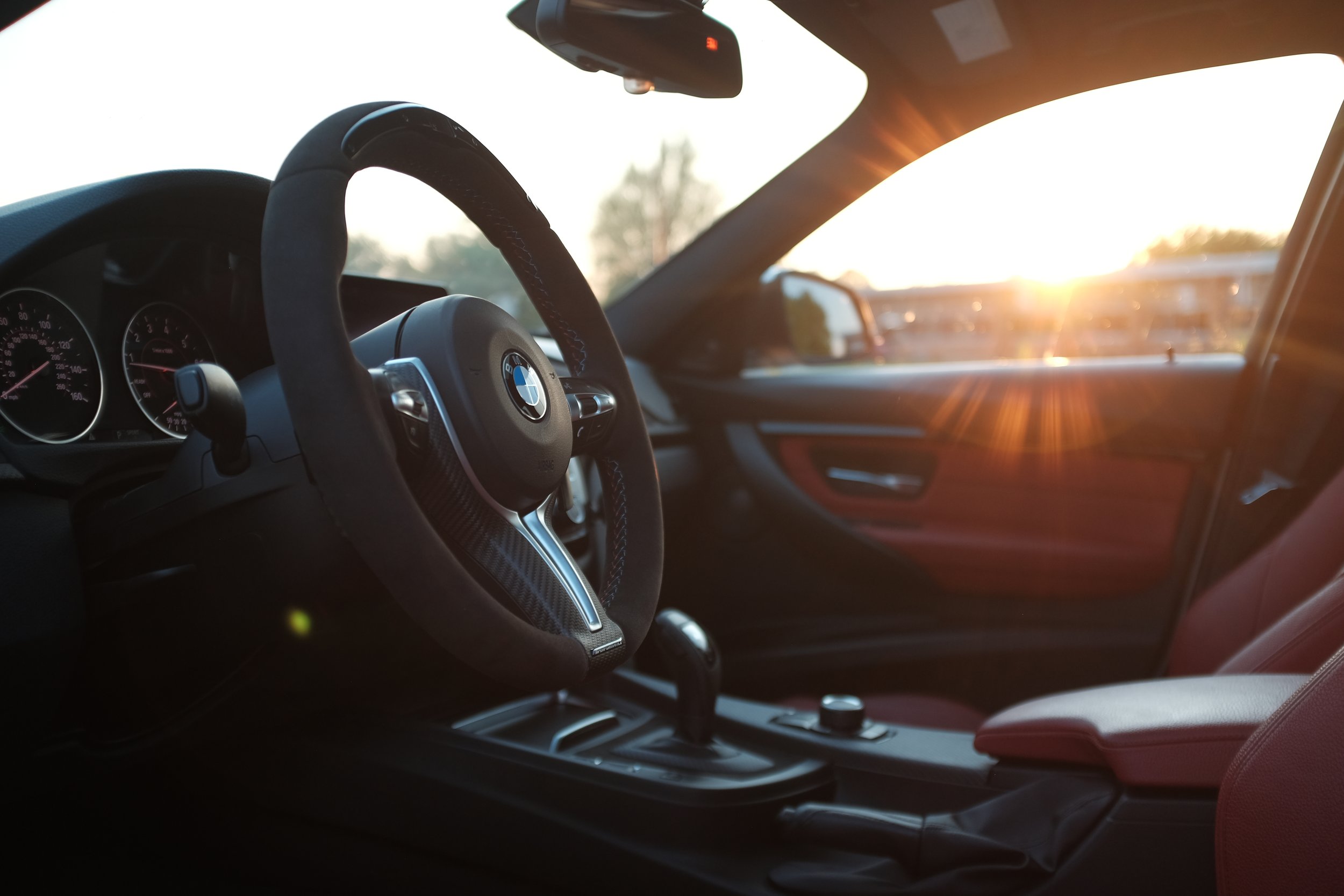
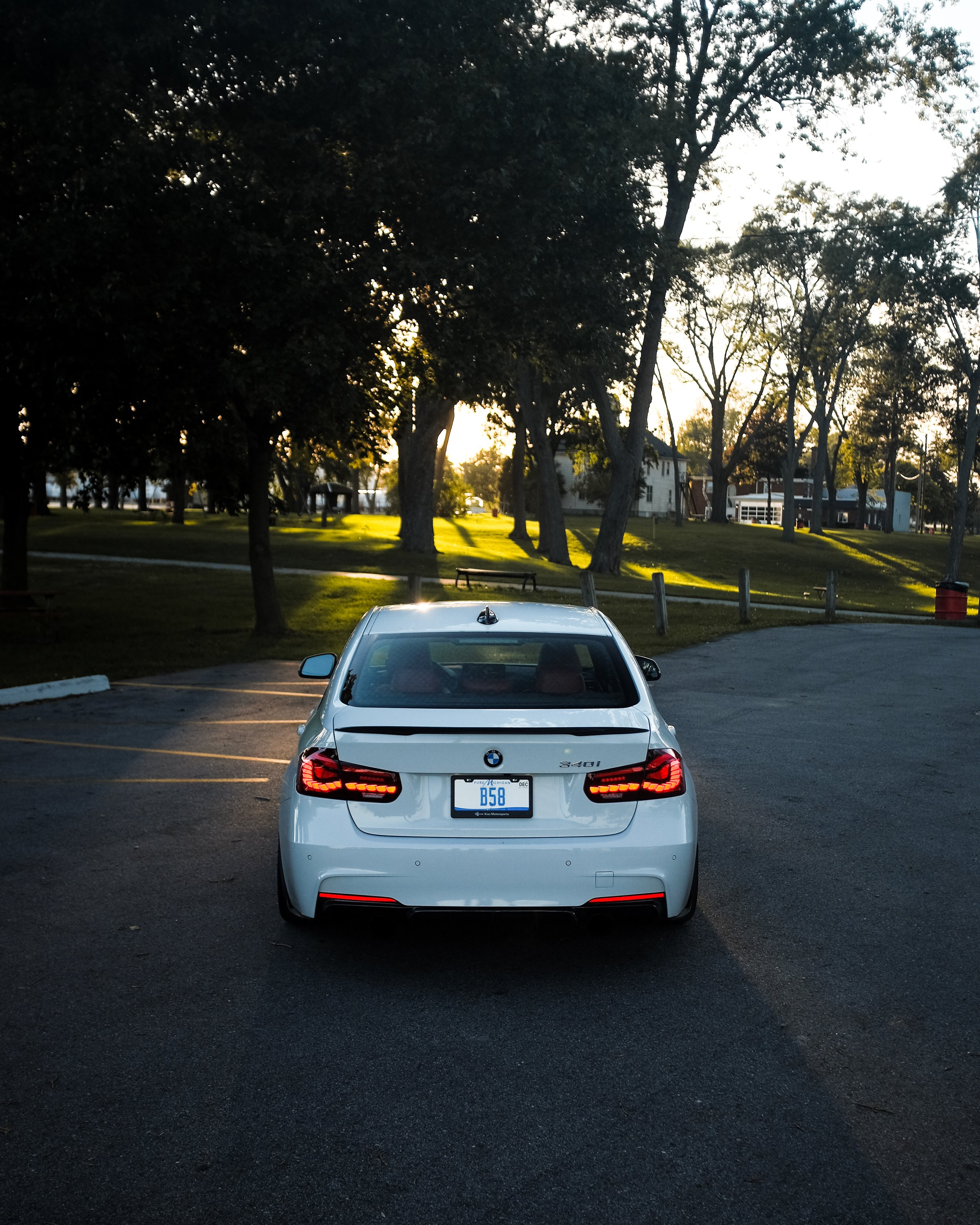
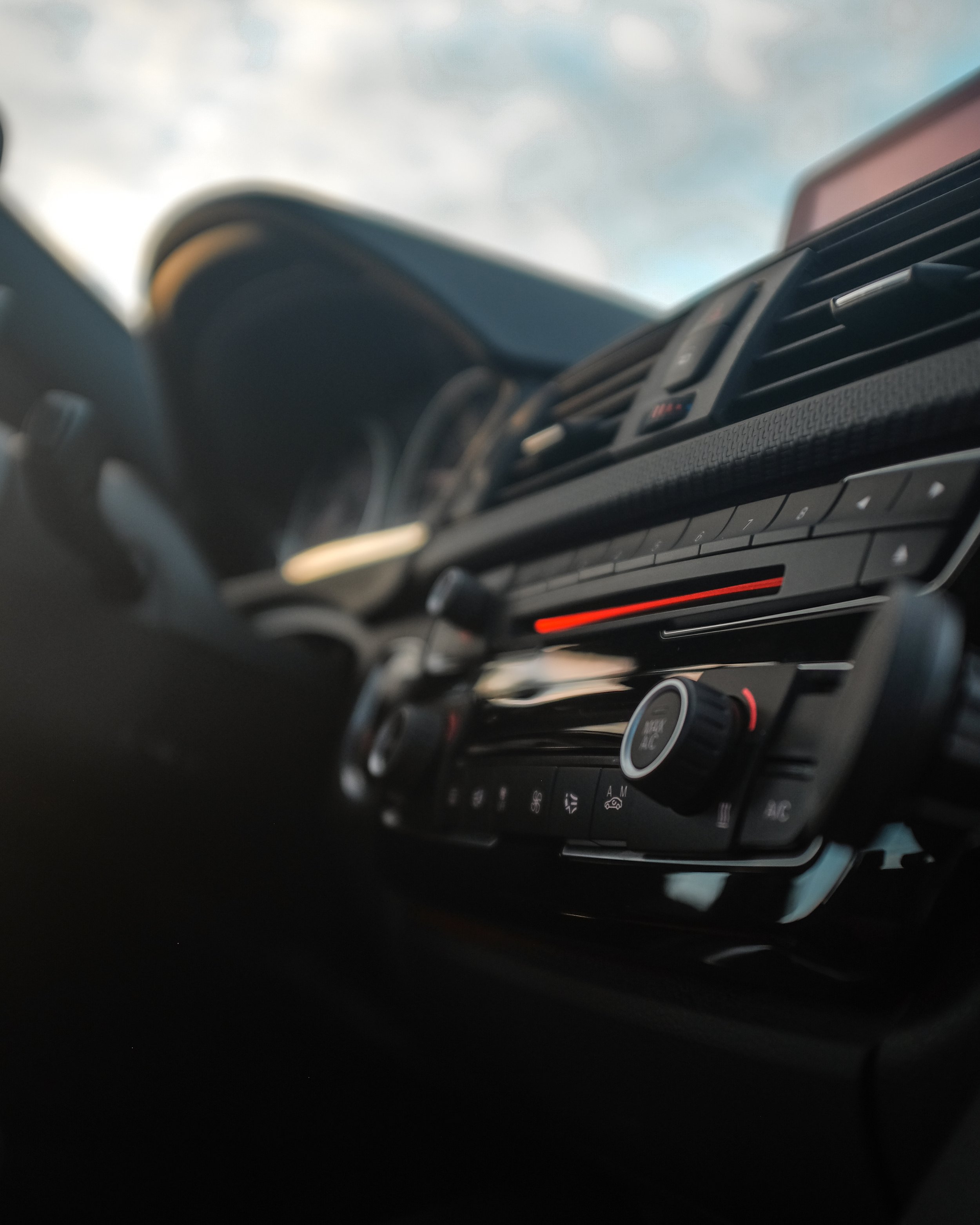
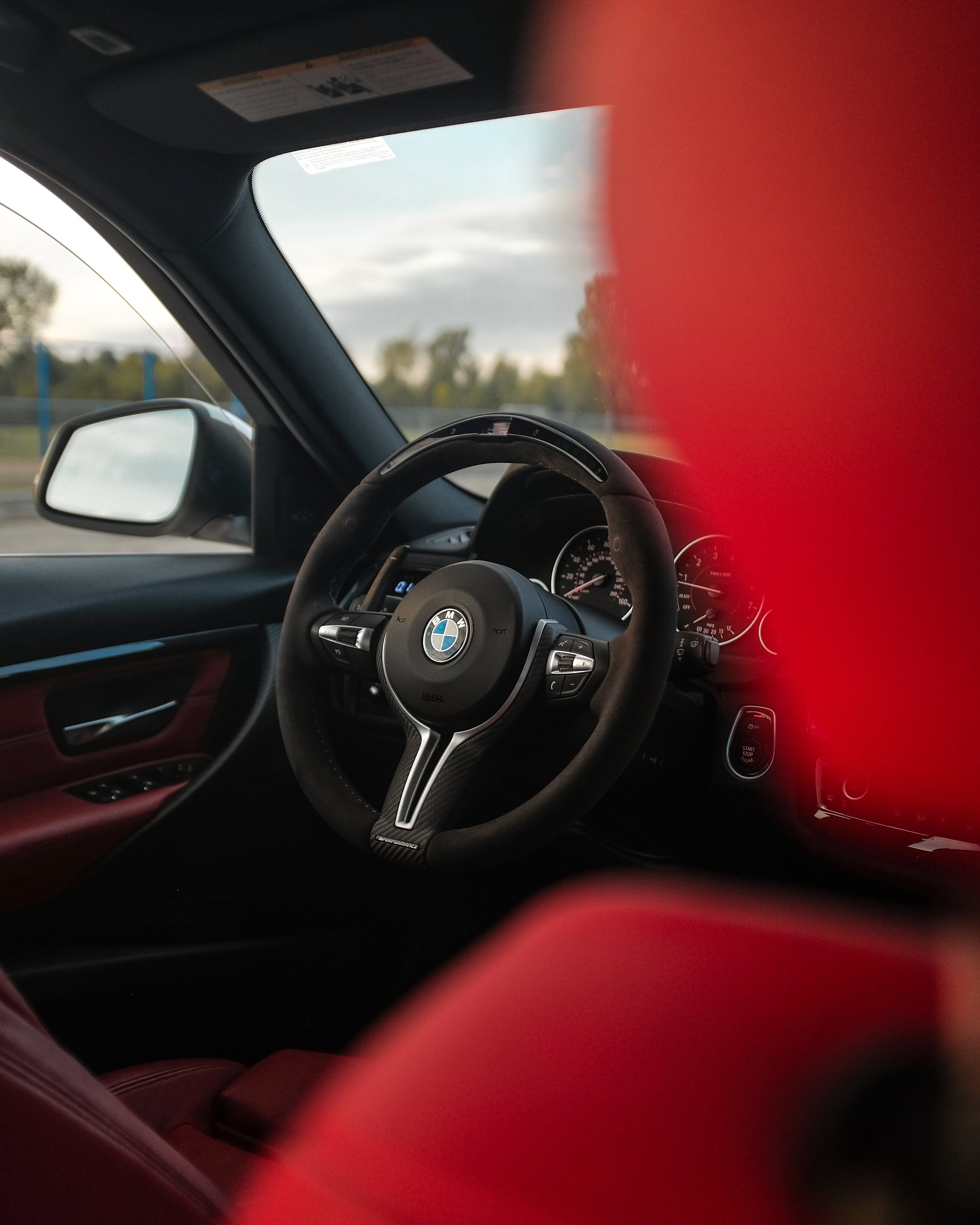
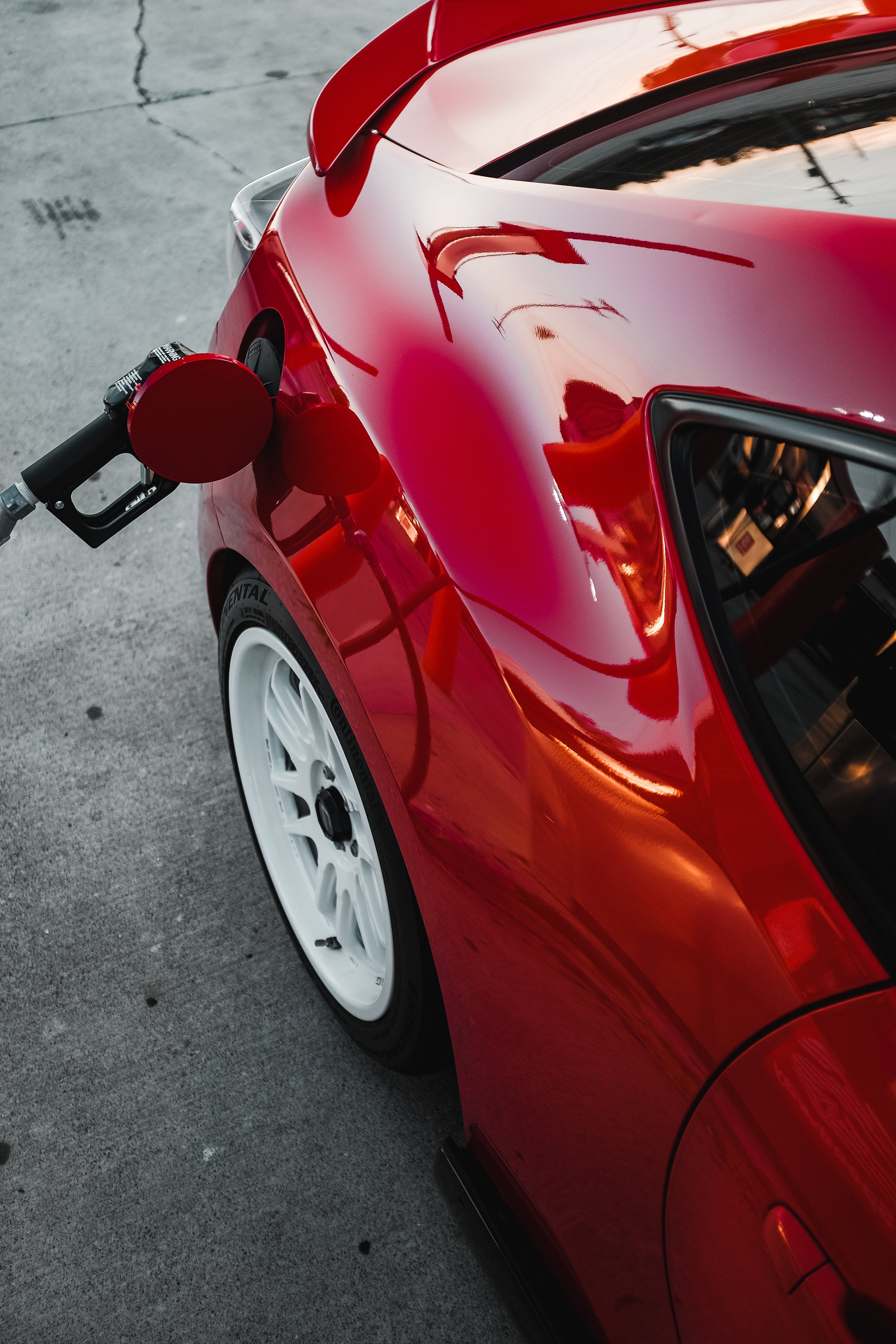
For more photos shot on the Fujifilm X100T, follow me on Instragram @justinbuice
Is the Stupid-Expensive BMW Display Wheel Worth the Hype?

Genuine BMW Race Display Steering wheel w/ Coral Red interior
What is it?
The BMW M Performance Race Display Wheel is quite possibly the most over the top modification available directly from BMW. For those who are unfamiliar, the BMW Race Display Wheel is a high tech steering wheel with shift indicator lights and an LCD screen at the top of the wheel. Unlike a lot of these wheels that have been popping up on eBay and Alibaba in recent years, this is a Genuine BMW part that you can have installed at your local BMW dealership. The Race Display Wheel is finished in alcantara and has BMW M colored stitching. This kit from Kies Motorsports includes Genuine BMW dry carbon fiber trim that matches the rest of my interior. Click here to view on Kies Motorsports’ store.

The Race Display Wheel features alcantara, BMW M colored stitching, and optional dry carbon trim
Initial setup

LED startup animation. Note the buttons at the 10 and 2 position.
When you start the car, the LED’s greet you with a light dance and you’ll see the BMW M Performance logo on the screen. Then you press and hold the L and R buttons to turn the screen on. These two small buttons at the 10 and 2 position are used to navigate the menus and change settings using a combination of short, long and double presses. I’m not going to lie, it’s cumbersome to use and takes a while to get the hang of.
When you initially set up the wheel, you can choose between metric and imperial units, change the brightness of the display and LED’s, and set the RPM that you’d like the shift lights to come on at. After the wheel is set up, you can toggle between the three modes, EfficientDynamics®, Sport, and Race. You can turn the wheel off at any time by holding down the L and R buttons for three seconds.
Driving Modes
EfficientDynamics®: Fuel consumption stopwatch, Consumption Average Speed, EfficientDynamics® index
Sport: G-force with memory, water/ oil temperature, stopwatch
Race: Lap timer, race section clock, quarter mile timer
In EfficientDynamics® mode, there’s a fuel consumption stopwatch, consumption average speed, and an EfficientDynamics® index. This part of the menu is a little silly to me. I mean, this steering wheel is meant for race cars, why is one third of the functionality dedicated to fuel efficiency?
Sport is the mode I use most. In this mode you have a lateral and longitudinal G meter with a stopwatch, lateral G memory that will save 30 consecutive turns that you can review later, and oil and water temperature. For daily driving, I often set the display to show temperature to more accurately keep an eye on operating temps, although oil pressure would have been a nice addition, since the car already has an analog oil temperature gauge. The display is capable of showing real-time RPM, but strangely only in the rev limiter setup screen. You can’t actually display it in any of the other modes.
Finally, there is Race mode which is meant for track use only. In this mode you have a lap timer, race section clock, and a quarter mile timer. There is an optional measuring trigger that will automatically capture your lap times on a race track via an infrared receiver that’s sold separately.

Sport mode, displaying water and oil temperature
Installation
I’ll be honest with you, the installation is pretty involved. It took me 7 hours including filming, but you could probably do it in 3 if you’re not stopping to document each step. Still, I’d set aside a full day for this so you don’t feel rushed. The car won’t be drivable during the install for obvious reasons, so be sure to have all the tools you need before you get started. I’d say this is an intermediate to advanced install. It involves removing the airbag, taking apart the steering column and dashboard, re-pining wires and tapping wires into one of the car’s control modules. There are a lot of tedious steps and if you miss even one of them, the wheel won’t work. It is do-able though and personally, I felt a sense of satisfaction having installed it on my own.
Because the wheel has it’s own control module, there is no coding required. Once you re-connect the battery, it simply works, which is a miracle for BMW. Since you are re-using your stock airbag and you aren't modifying the airbag wiring, there are no error codes to worry about. The car’s computer won’t know the airbag was ever removed. Watch my complete step by step installation guide here.

Removing the clock spring from the center column and re-pinning wires
What it’s like to live with
So what’s it like to daily drive with this wheel? It makes the interior feel exotic. Like you’re sitting in the cockpit of a high end supercar. I’ve said it before, but from the driver’s seat, it’s hard to believe it’s just a 3 Series. The rim of the wheel is about the same thickness as my stock Sport Line wheel and feels natural in my hands. At night, especially on dark roads, the shift lights can be a bit much, so it’s nice to have the option to turn them off for casual night time driving.
The alcantara did take some getting used to. It’s a texture that feels unusual at first on a steering wheel. I haven’t had it long enough for it to need a deep cleaning, but when I notice it’s dusty, I simply wipe it with a dry microfiber cloth. I will say, it makes me hyper aware of how clean my hands are, and I’ve got in the habit of bringing extra water when I go skateboarding so I can rinse my hands off before I drive home. Some people have suggested driving gloves but I’m not sure that they are my style.

Accelerating with the shift lights set to 6,000 RPM
Quirks
As cool as this wheel is, it’s not without its quirks. First, the wheel is off by default and you need to manually switch it on every time you start the car. I think I’d want it to be the opposite. I think I’d want it on by default, and have the option to switch it off if I wanted. You’re paying so much money to get this extra functionality, I would think you’d want the wheel to be on more often than not. Also, after 10 minutes of driving, the display goes to sleep. While it’s asleep, the shift indicators still work, but you need to tap either the L or R button to wake the screen up. I looked in the owner’s manual and there is no setting to change this, it’s simply how the wheel is programmed. I can’t think of any logical reason for this, and again, I’d rather it be on all the time with the option to turn it off when I decide.
But the biggest quirk though is the operating temperature threshold. The wheel simply doesn’t work if the temperature is above 140 degrees F (60 degrees C). If you try to turn it on, the lights will flash red and then turn off. The first time this happened, we had gone shopping on a hot day with the car sitting in a parking lot with no shade. I panicked at first because I thought the wheel was broken. I checked the manual and sure enough, it’s a safety feature to protect the electronics in the wheel. After driving with the air conditioning on for a few minutes, the wheel works again. I thought it was weird that electronics that are designed to be used inside a car apparently can’t handle high temperatures. It almost seems like an oversight or design flaw. Being in Michigan, this is only an issue 3 months out of the year, and only if the car has been parked in full sun for a while. But if you live in Florida or Texas, I could see this being annoying.
THE GOOD:
Genuine BMW = QUALITY
Adds helpful parameters like coolant and oil temp. G-force is fun to look at
Looks and feels exotic
THE BAD:
EXPENSIVE (Say goodbye to your kid’s college fund)
For the price, I was really hoping for more parameters
The wheel doesn’t work above 140F/ 60C
Things to know before purchasing
If you plan on buying this wheel, here are a couple things to take note of. The wheel does not include the airbag, buttons, or paddle shifters. If you have an M3 or an F30 M Sport, you will need to reuse your existing buttons and airbag. If you have a base F30, the buttons and airbag won’t fit and you’ll need to buy those separately. There is a version of the display wheel that’s compatible with the base airbag but it’s a different part number. The display wheel does not support the heated wheel function. My car didn’t have a heated steering wheel, so it was a non-issue for me, but might be a deal breaker if you use that feature. You could still install the wheel, but you’d lose that functionality.
Is it worth it?
Despite the quirks and price tag of this wheel, it’s one of my favorite car modifications I’ve ever done. I wish it could display a few more parameters, but the ones that it does surface like G force and quarter mile times make driving exciting. Installation is tedious, but rewarding once you’ve got it installed. While the extra grip from the alcantara and the shift lights may give you an edge on the race track, you’re mainly buying this for the cool factor. It’s a gadget, a toy. And for anyone looking to build the ultimate F30 or F80, this Race Display Wheel should be high on your list.

Fitment
F30 3 Series, F32 4 Series, M2, M3, M4
Watch the video review

APEX ARC-8R 18x8.5, 18x9.5
The Quest for the Ultimate F30 Wheel & Tire Setup
This past month, I celebrated one year of ownership with my F30 340i with a brand new set of wheels and tires. I put a lot of time and research into finding what I believe to be the perfect wheel setup for this car. I’ve taken everything I’ve learned from each set of wheels I’ve owned and applied it to this setup.
Read More